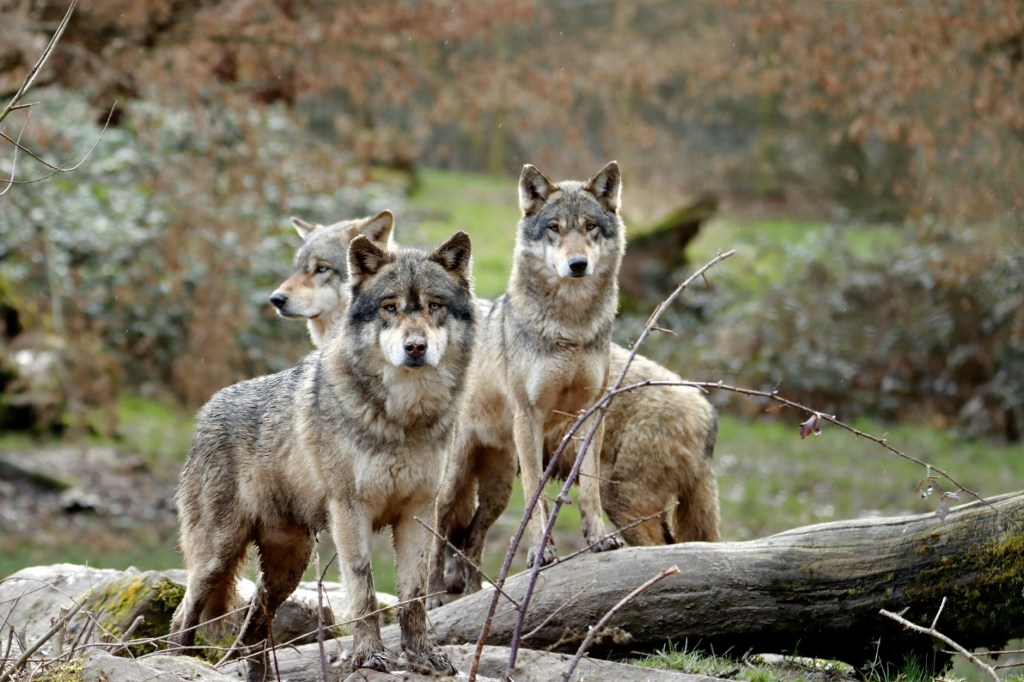
We’ve all heard it: “Lead from the front.” It’s plastered on motivational posters, preached in leadership seminars, and embedded in our collective understanding of what it means to be in charge. But what if I told you that some of nature’s most effective leaders don’t lead from the front at all? What if the secret to extraordinary leadership has been hiding in plain sight, demonstrated by creatures that have survived and thrived for thousands of years through a radically different approach?
Enter the wolf pack—and prepare to have everything you thought you knew about leadership turned upside down.
The Five Echelons: A Masterclass in Strategic Leadership
When a wolf pack travels, they don’t move as a random mass. They organize themselves into five distinct echelons, each with a specific purpose that serves the survival of the entire group. And the alpha? He’s not strutting at the front. He’s walking last, watching everything unfold from behind.
Echelon One: The Brave Elders
At the very front of the pack walk the oldest and sickest wolves. At first glance, this seems counterintuitive—why would you put your most vulnerable members in the most dangerous position? But here’s the profound wisdom: by placing them at the front, the pack ensures they won’t be left behind. These wolves set the pace, and the entire pack adjusts to accommodate them.
These elders also take on the greatest risk. If there’s danger ahead—a trap, a threat, an unknown hazard—they’ll encounter it first. And they accept this role willingly, offering themselves as a shield for the younger, stronger wolves who represent the pack’s future. It’s sacrifice born from love and purpose.
Echelon Two: The First Line of Defense
Behind the elders walk the younger male wolves, strong and vigilant. Their job is twofold: protect the vulnerable elders ahead and create a buffer between potential threats and the pack’s most precious cargo. They are the guardians, the sentinels, ready to respond at a moment’s notice.
Echelon Three: The Future of the Pack
In the safest position—the protected center—travel the females and pups. This is the heart of the pack, the reason for everything they do. These wolves represent continuity, the promise of tomorrow, the purpose behind every sacrifice made by those in front and behind them.
Echelon Four: The Rear Guard
Another group of young males follows the females and pups, creating a protective barrier from behind. They guard against threats that might pursue the pack, ensuring nothing can attack from the rear without first going through them. They’re the insurance policy, the safety net.
Echelon Five: The Alpha
And then, walking last and alone, comes the alpha. From this vantage point, he can see everything. He observes the pace, monitors for stragglers, watches for threats from any direction, and ensures that every member of his pack is safe. He leads not by charging ahead, but by protecting from behind. He serves by watching over all those in his care.
If danger strikes, he’s the last to escape—but he’s positioned perfectly to respond wherever he’s needed most.
The Leadership Paradox
Here’s what strikes me most about this: if animals understand the concept of leadership this intuitively, why do we humans struggle with it so much? Why do we equate leadership with being first, loudest, most visible? Why do we confuse authority with service?
The wolf pack teaches us that true leadership is about servitude and protection. It’s about sacrificing yourself, if necessary. It’s about watching from a distance to ensure everyone is safe, even when it means you’re last in line. It’s about understanding that your role isn’t to sprint ahead and prove you’re the fastest—it’s to make sure everyone crosses the finish line together.
Not Everyone Is Meant to Lead
And here’s another truth the wolf pack reveals: leadership isn’t for everyone, and that’s not only okay—it’s essential. Not everyone was meant to be the alpha walking last. Some of us are meant to be in different echelons, and every single position matters.
The elders who set the pace and take the first risk? Critical. The young males who protect? Indispensable. The females and pups who represent the future? Everything. Every member of the team has a purpose, a role that contributes to the success and survival of the whole.
The question isn’t whether you’re leading from the front or the back. The question is: are you fulfilling your purpose within your echelon? Are you serving your team in the way only you can?
Leading From Behind
Real leadership requires courage—not the courage to charge ahead and be seen, but the courage to step back and serve. To put your team’s needs above your ego. To celebrate when they succeed, even if no one knows you were the one ensuring their success. To sacrifice your comfort, your visibility, even your safety, so that those in your care can thrive.
The alpha walks last because he understands something many human leaders forget: his job isn’t to be first. His job is to make sure everyone else makes it safely to where they need to go.
So the next time you think about leadership, don’t just think about leading from the front. Think about the alpha wolf, walking last, eyes scanning the horizon, ready to protect, ready to serve, ready to sacrifice.
That’s what real leadership looks like.



 Platnumkitty
Leave a comment