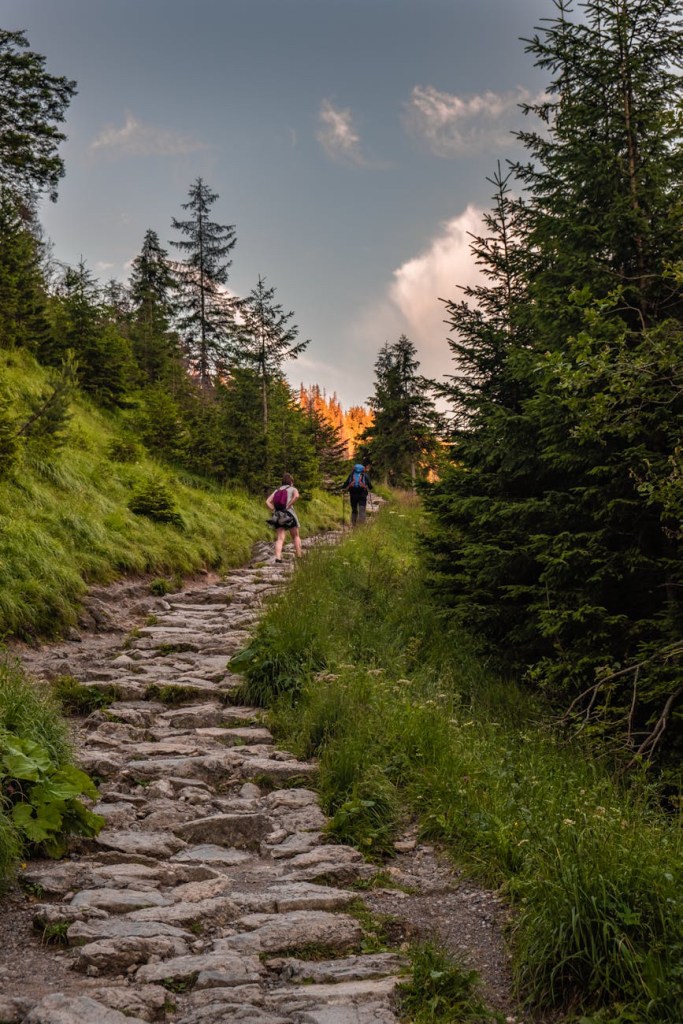
Part 2 of our Blue Zones Series
There’s a 102-year-old shepherd in Sardinia who climbs five miles of mountainous terrain every single day. He doesn’t own running shoes. He’s never heard of HIIT training. He doesn’t track his heart rate or count his steps.
Ask him about his exercise routine and he’ll look at you like you’ve lost your mind.
Because in his world—and in all the Blue Zones—“exercise” isn’t a thing. Movement is just… life.
The Gym Member Who Never Goes
Here’s a story you might recognize: January 1st rolls around. You buy the gym membership. You go strong for two weeks, maybe three. You wake up at 5:45 AM, drive fifteen minutes in the dark, change in a fluorescent locker room, dutifully do your thirty minutes on the elliptical while watching CNN, drive home, shower again, and feel virtuously exhausted.
By February, you’ve been three times. By March, you’re paying $60 a month to feel guilty.
This isn’t a failure of your willpower. It’s a design problem.
The centenarians in Blue Zones never face this struggle because movement isn’t something they do instead of living their lives. Movement is their life—baked into every hour, every task, every relationship. They live in what researcher Dan Buettner calls “naturally nudging environments.”
In Okinawa, people traditionally sit on the floor, getting up and down dozens of times a day—a movement pattern that builds leg strength and balance well into old age. In Ikaria, Greece, the rocky terrain and steep hillsides mean walking anywhere involves a genuine workout. In Nicoya, Costa Rica, people still do physical work into their 80s and 90s—tending gardens, making tortillas by hand, chopping wood.
Their secret? They never decided to exercise. Their environment decided for them.
The Architecture of Movement
Let me tell you about Maria, a woman I met who transformed her relationship with movement without once stepping into a gym.
Maria used to drive her kids two blocks to school. She’d circle the parking lot for five minutes to get a spot close to the grocery store entrance. She’d take the elevator to her second-floor office. At home, she’d collapse on the couch, telling herself she was “too tired” to exercise, while simultaneously wondering why she had no energy.
Then she visited her grandmother in rural Portugal for a month.
There were no elevators. The “grocery store” was a daily walk to the market—twenty minutes there, twenty minutes back, carrying bags of produce. Laundry got hung on a line. Dishes got washed by hand. The village was built on a hill, so every errand involved an incline. There was a garden that needed watering, weeding, picking.
Maria moved more in those thirty days than she had in the previous six months. And here’s the kicker: it never felt like exercise. It felt like life. It felt like adventure.
She came home and started asking herself: How can I architect my regular life to move more like that?
Becoming an Architect of Movement
The Blue Zones teach us something radical: the goal isn’t to add movement to your life. It’s to remove the things that took movement out of it in the first place.
We’ve engineered physical activity out of existence. We have apps to bring groceries to our door. Remote controls so we never stand up. Escalators, elevators, and moving walkways. Drive-throughs where we don’t even get out of our cars. We’ve created a world where you can go entire days barely moving—and we’ve done it in the name of convenience.
The Blue Zones flip this script. They make movement unavoidable, inconvenient in the best possible way.
So how do you do this in a modern life? How do you become an architect of your own movement without relocating to a Sardinian mountain village?
Make the Inconvenient Choice the Automatic One
Park in the farthest spot. Not sometimes. Always. Make it your spot. That extra two-minute walk to the store entrance? That’s two minutes your Sardinian shepherd would have walked without thinking about it.
Take the stairs. Every single time. Unless you’re moving furniture or you’re on crutches, the elevator is dead to you. Your second-floor office? Third-floor apartment? That’s your gym. In Okinawa, the longest-lived people get up and down from the floor countless times a day. Stairs are your modern equivalent—and they’re free.
Ditch one convenience per week. Hand-wash some dishes. Hang some laundry. Walk to get your coffee instead of going through the drive-through. Rake leaves instead of using a leaf blower. Each act of “inconvenience” is an act of movement—and an act of rebellion against a sedentary culture.
Turn Errands Into Micro-Adventures
Walk or bike for any trip under a mile. In the Blue Zones, people don’t drive to their neighbor’s house. They walk. That visit becomes a quarter-mile there, a quarter-mile back. Do that four times a day and you’ve walked two miles without “exercising.”
Create a “walking meeting” culture. Got a phone call to make? Walk while you talk. Need to catch up with a friend? Walk the neighborhood instead of sitting at coffee. The Nicoyans don’t schedule movement separately from socializing—they combine them.
Make errands part of your adventure. Going to the post office? Walk there, even if it takes twenty minutes. Going to the farmer’s market? Park ten blocks away and explore the neighborhood. Treat your own town like you’re a tourist. When you’re traveling, you walk everywhere and call it “exploring.” Do the same at home.
Design Your Home for Movement
Put things where they’re inconvenient. Shoes by the door so you have to walk to get them. Coffee maker on the counter so you have to stand while it brews. TV remote across the room. These sound small, but they add up to dozens of extra movements daily.
Create a movement station. Keep resistance bands hanging by your bathroom door. Do squats while your coffee brews. Do calf raises while brushing your teeth. The Okinawans get up and down from floor seating all day. You can do ten squats while waiting for your lunch to heat up.
Garden. Seriously. Even if it’s just pots of herbs on your balcony. Gardening requires you to squat, bend, kneel, dig, carry water, and reach—all the functional movements humans evolved to do. In every Blue Zone, people garden well into their 90s. It’s not just about the fresh vegetables (though that helps). It’s about the movement vocabulary that gardening requires.
Embrace Inefficiency
Here’s a weird one: do things the slow way on purpose.
Take the long route home. Walk the grocery cart back to the store instead of leaving it in the parking lot. Carry your groceries in multiple trips instead of overloading yourself. Chop vegetables by hand instead of using the food processor.
Your time is not so precious that you need to optimize every single second. The Sardinian shepherds aren’t trying to “maximize efficiency.” They’re living. And part of living is moving.
The Adventure Mindset
The real shift here isn’t just practical—it’s psychological. The people in Blue Zones don’t see movement as a chore. They see it as part of the texture of a well-lived day.
So here’s my challenge: For the next week, don’t think of yourself as “exercising.” Think of yourself as an explorer in your own life.
Monday: Walk a route through your neighborhood you’ve never walked before. What do you notice? Who’s out there?
Tuesday: Do one errand—any errand—without your car. Mail a package. Buy milk. See what happens.
Wednesday: Sit on the floor while you watch TV. Get up and down three times during the show. Feel those legs work.
Thursday: Put on music and dance while you cook dinner. The Nicoyans don’t go to Zumba class; they dance at family gatherings. Your kitchen counts.
Friday: Take the stairs somewhere you normally take an elevator. Count the floors. See if you can beat your time next week.
Saturday: Plant something. Anything. A tomato plant. Herbs. Wildflowers. Get your hands dirty.
Sunday: Walk somewhere beautiful just because. A park. A trail. The scenic route through downtown. Don’t call it exercise. Call it Sunday.
The Long Game
Here’s what happens when you design your life for natural movement: You stop thinking about it.
In three months, parking far away becomes automatic. In six months, taking the stairs feels normal. In a year, you’ve moved your body thousands of times without ever “deciding” to work out.
And something else happens too. Movement stops being this thing you’re supposed to do (and feel guilty about not doing). It becomes what it was always meant to be: the physical expression of being alive. A way to explore. A way to accomplish. A way to feel your body doing what it was designed to do.
The 102-year-old Sardinian shepherd isn’t fit because he has discipline. He’s fit because his life requires him to climb mountains. He’s fit because movement and meaning are inseparable in his world.
You can create that same inseparability. Not by doing more, but by redesigning the doing you’re already doing.
Your body was built to move. Not on a treadmill going nowhere, but through a world full of stairs to climb, neighborhoods to explore, gardens to tend, and friends to walk with.
So here’s my question: What’s one piece of convenience you can give up this week? What’s one way you can make movement unavoidable?
Choose one. Start there. Let it become automatic. Then choose another.
You’re not training for a marathon. You’re training for a long, strong, adventurous life.
And the beautiful part? The training is just called living.
Next in the series: Purpose – or how the Okinawan concept of ikigai might just be the missing piece in your life. Stay tuned.
The “Move Naturally” principle is just one piece of a beautiful puzzle. To really embrace this way of living, the core book is an invaluable guide.
Disclosure: I am an Amazon Associate. Purchases made through the link above support my work at no additional cost to you. I appreciate you trusting my recommendations—I only share resources I find truly transformative.
How will you incorporate more natural movement this week? Tell me below!



 Platnumkitty
Leave a comment