Part 6 of our Blue Zones Series
There’s a 103-year-old woman in Sardinia who’s eaten beans almost every single day of her life.
Not because she’s following a diet. Not because she read a nutrition book. But because that’s what was growing in her garden, what her mother taught her to cook, what fills her up and makes her feel good.
She eats meat maybe five times a month. The rest is beans, greens, whole grains, and vegetables from her yard.
And she’s outlived everyone in her generation, still tends her garden, still cooks for her great-grandchildren, and still can’t understand why anyone would want to eat any other way.
“Why would I eat meat every day?” she asks researchers. “Beans are cheaper, easier to grow, and they make me feel better.”
This is the Plant Slant. And it’s not about becoming vegan or giving up bacon or joining a moral crusade. It’s about a simple, radical shift: making plants the star of your plate instead of the supporting cast.
The 95% Rule
Here’s what the research shows: in all five Blue Zones, people eat a predominantly plant-based diet—about 95% of their calories come from plants.
Not 100%. Not vegan. Not even fully vegetarian.
Just heavily plant-forward.
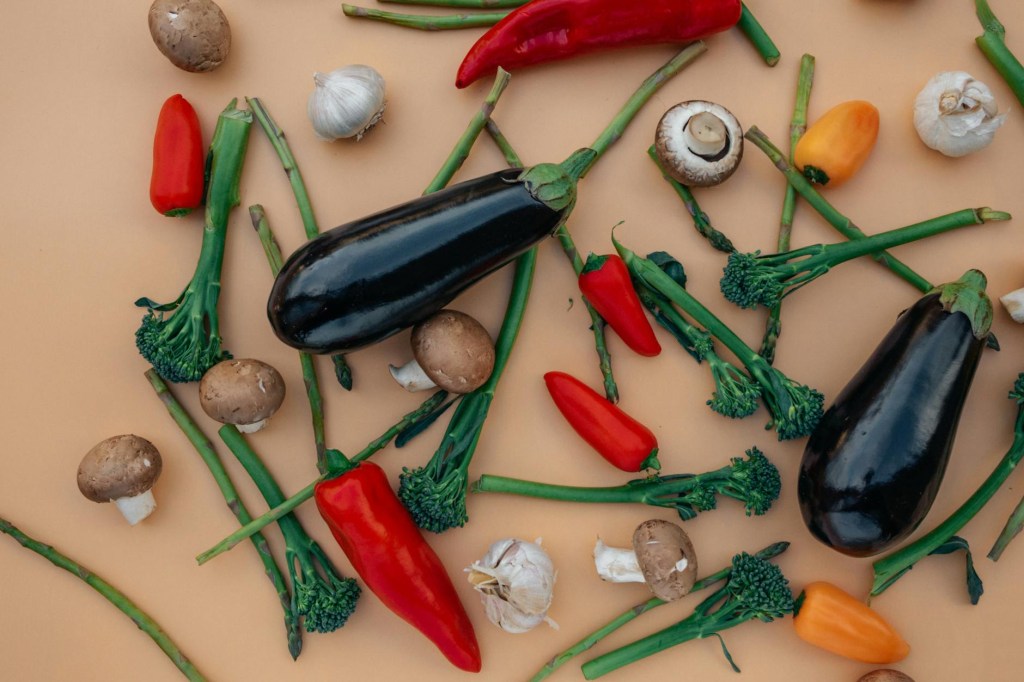
Beans, lentils, chickpeas, and other legumes are the cornerstone. Vegetables fill half the plate. Whole grains provide the base. Nuts and seeds add fat and protein. Fruit is dessert.
Meat? It’s a condiment. A flavor. A few ounces a few times a month, usually at celebrations.
And here’s the kicker: this isn’t deprivation. This is abundance. The Sardinian grandmother isn’t suffering without steak. She’s feasting on minestrone, fava beans with greens, pasta e fagioli, roasted vegetables drizzled with olive oil.
She’s eating deliciously. She just happens to be eating mostly plants.
Why Beans Are Longevity Gold
If I had to pick one food that appears in every single Blue Zone, it would be beans.
Black beans in Nicoya. Lentils in Ikaria. Chickpeas in Sardinia. Soybeans (as tofu and miso) in Okinawa. A variety of legumes in Loma Linda.
Beans are the common denominator. And there’s a reason.
They’re protein-packed without the saturated fat and cholesterol of meat. A cup of black beans has 15 grams of protein.
They’re fiber powerhouses. That same cup has 15 grams of fiber—more than half your daily needs. Fiber feeds your gut bacteria, stabilizes blood sugar, keeps you full, and lowers cholesterol.
They’re nutrient-dense. Folate, iron, magnesium, potassium, zinc. Beans deliver micronutrients that most of us are deficient in.
They’re cheap. A pound of dried beans costs a couple bucks and feeds a family for days. The centenarians in Blue Zones weren’t wealthy. They ate beans because beans were affordable.
They’re versatile. Soups, stews, salads, spreads, patties, pasta dishes. You can eat beans every day and never get bored.
And here’s the real magic: people who eat beans regularly live longer. One study found that for every 20 grams of beans consumed daily, your risk of death drops by 7-8%.
Beans aren’t just food. They’re medicine. They’re longevity in a bowl.
The Vegetable Revelation
Okay, but let’s be honest: most of us have a complicated relationship with vegetables.
We know we should eat them. We buy them with good intentions. Then they rot in the crisper drawer while we order takeout.
Because vegetables, as we’ve been taught to prepare them—steamed, plain, flavorless—are boring at best and actively unpleasant at worst.
But here’s what the Blue Zones teach us: vegetables aren’t supposed to be a chore. They’re supposed to be delicious.
In Ikaria, wild greens are sautéed in olive oil with garlic and lemon. In Nicoya, vegetables are roasted with spices until caramelized and sweet. In Sardinia, tomatoes, zucchini, and eggplant are stewed with herbs until they melt together into something almost decadent.
The Blue Zone centenarians aren’t choking down plain broccoli because it’s good for them. They’re eating vegetables because they taste good.
And that’s the shift we need to make.
Your adventure: Stop thinking of vegetables as the thing you have to eat to get to the thing you want to eat. Start thinking of them as the main event—cooked in ways that make them irresistible.
The Practical Magic of Plant Slant
You don’t have to become vegetarian to benefit from Plant Slant. You just have to shift the ratio.
Right now, your plate probably looks like this: a big piece of meat, a starch, and a token vegetable on the side.
The Blue Zones plate looks like this: half the plate is vegetables, a quarter is beans or whole grains, and meat (if present) is a small garnish—maybe 2-3 ounces, not 8-10.
That’s it. That’s the whole strategy. Flip the proportions.
Strategy 1: Make Beans Your Protein Default
The challenge: Eat beans as your primary protein source 4-5 days per week.
Not forever. Not as a rule. Just as an experiment. See how you feel.
Monday: Black bean tacos with all the fixings—salsa, avocado, cilantro, lime.
Tuesday: Lentil soup with crusty bread and a salad.
Wednesday: Chickpea curry over rice with roasted cauliflower.
Thursday: White bean and kale stew with parmesan and olive oil.
Friday: Hummus bowl with roasted vegetables, quinoa, and tahini sauce.
Notice what happens. You’ll probably save money. You’ll definitely increase your fiber intake. You might have more energy. You’ll almost certainly feel lighter.
And if you’re worried about gas (the infamous “magical fruit” problem), start slow. Your gut bacteria need time to adjust. Begin with well-cooked beans, rinse canned beans thoroughly, and gradually increase portions. Within a week or two, your body adapts.
Strategy 2: Fill Half Your Plate With Vegetables
The rule: Before you serve anything else, fill half your plate with vegetables.
Salad. Roasted vegetables. Sautéed greens. Raw veggies with hummus. Vegetable soup. Whatever you like.
But half the plate. Always. Non-negotiable.
This does two things: First, it ensures you’re actually eating vegetables (not just thinking about eating them). Second, it fills you up on high-fiber, nutrient-dense food before you get to the calorie-dense stuff.
Your adventure: For one week, prep vegetables in advance. Sunday afternoon, roast a big sheet pan of Brussels sprouts, broccoli, and carrots. Wash and chop salad greens. Make a big pot of vegetable soup.
When vegetables are ready to go, you’ll actually eat them. When they require chopping and cooking every single time, you won’t.
Strategy 3: Treat Meat Like a Condiment
In Blue Zones, meat isn’t the centerpiece. It’s the flavoring.
A little bacon in the bean soup. A few ounces of pork in the stir-fry. Some sausage in the pasta with vegetables.
The meat adds flavor and richness, but it’s not the main attraction.
Your adventure: This week, reduce your meat portions by half. If you’d normally eat an 8-ounce steak, have 4 ounces and add a cup of roasted vegetables and a side of beans. If you’d normally make chicken breast the star, shred a smaller amount into a vegetable stir-fry.
Notice if you feel just as satisfied. Notice if you even miss the extra meat.
Spoiler: you probably won’t.
Strategy 4: Embrace Whole Grains
White rice, white bread, white pasta—these are refined grains stripped of fiber and nutrients.
The Blue Zones eat whole grains: brown rice, quinoa, barley, farro, whole wheat bread, oats.
These aren’t “health foods” you choke down. They’re staples that taste good and keep you full.
Your adventure: Swap one refined grain for a whole grain this week. Brown rice instead of white. Whole grain bread instead of white. Oatmeal instead of sugary cereal.
Notice how much longer you stay full. Notice how your energy stays more stable.
Strategy 5: Make Vegetables Taste Amazing
This is the most important strategy. Because if vegetables don’t taste good, you won’t eat them. Period.
Stop steaming vegetables plain. This is a crime against food.
Start roasting. Toss vegetables in olive oil, salt, pepper, and whatever spices you like (garlic powder, paprika, cumin, Italian herbs). Roast at 425°F until caramelized and slightly crispy. This works for almost everything: broccoli, cauliflower, Brussels sprouts, carrots, zucchini, bell peppers.
Sauté in garlic and olive oil. Heat olive oil, add minced garlic, add greens (spinach, kale, chard), sauté until wilted. Finish with lemon juice and salt. This is how the Ikarians do it. It’s simple and delicious.
Add acid. Lemon juice, vinegar, or lime juice brightens vegetables and makes them crave-worthy. The Sardinians squeeze lemon over everything.
Use herbs and spices generously. Fresh basil, cilantro, parsley, dill. Cumin, coriander, turmeric, smoked paprika. Vegetables are a canvas. Paint them with flavor.
Don’t fear fat. Olive oil makes vegetables taste better and helps you absorb fat-soluble vitamins. The centenarians in Blue Zones aren’t eating fat-free diets. They’re drizzling olive oil liberally.
The “But I Love Meat” Conversation
Look, I get it. You love burgers. You love bacon. You love steak.
You don’t have to give them up.
The Blue Zones aren’t asking you to become vegan. They’re asking you to eat meat less often and in smaller amounts.
Five times a month instead of twice a day.
Three ounces instead of eight.
As a treat instead of a default.
Your adventure: For one month, make meat special again. Save it for weekends or special occasions. The other days, explore plant-based proteins.
Notice how this shifts your relationship with meat. When you eat it less often, it becomes more enjoyable. More appreciated. More savored.
And your body gets a break from the saturated fat, the cholesterol, the inflammatory effects of eating meat daily.
The Practical Week of Plant Slant
Here’s what a week of Plant Slant eating might look like. Not rigid. Not perfect. Just plant-forward.
Monday:
- Breakfast: Oatmeal with berries, walnuts, and a drizzle of honey
- Lunch: Big salad with chickpeas, vegetables, olive oil, and lemon
- Dinner: Black bean chili with cornbread and a side salad
Tuesday:
- Breakfast: Whole grain toast with almond butter and banana
- Lunch: Lentil soup with carrots, celery, and whole grain crackers
- Dinner: Stir-fried vegetables with tofu over brown rice
Wednesday:
- Breakfast: Smoothie with spinach, berries, banana, and almond milk
- Lunch: Hummus wrap with vegetables and tahini sauce
- Dinner: Pasta with white beans, kale, garlic, and olive oil
Thursday:
- Breakfast: Greek yogurt with granola and fresh fruit
- Lunch: Quinoa bowl with roasted vegetables and avocado
- Dinner: Vegetable curry with chickpeas over rice
Friday:
- Breakfast: Whole grain cereal with berries and nuts
- Lunch: Split pea soup with whole grain bread
- Dinner: Homemade pizza with lots of vegetables and a little cheese (maybe some sausage as a topping, not the base)
Saturday:
- Breakfast: Veggie omelet with whole grain toast
- Lunch: Buddha bowl with beans, grains, roasted vegetables, and tahini
- Dinner: Grilled salmon (3-4 oz) with roasted vegetables and quinoa (This is your meat meal for the week!)
Sunday:
- Breakfast: Pancakes made with whole grain flour, topped with fruit
- Lunch: Minestrone soup loaded with vegetables and beans
- Dinner: Roasted vegetable and bean tacos with all the toppings
Notice: you ate meat once. You never felt deprived. You had plenty of variety. You consumed tons of fiber, nutrients, and plant-based protein.
This is Plant Slant.
The Results You’ll Notice
When you shift to a plant-forward diet, here’s what happens:
Week 1: Your digestion changes. More fiber means more bathroom trips (this is good). You might feel a little bloated as your gut adjusts. Stick with it.
Week 2: Your energy stabilizes. No more post-lunch crash. No more 3 PM slump. Plant-based meals digest easier and provide steady fuel.
Week 3: You start craving vegetables. This sounds crazy, but it’s true. Your taste buds recalibrate. Things that seemed bland before start tasting vibrant.
Month 1: Your pants fit better. You’ve probably lost a few pounds without trying. Plant-based diets are naturally lower in calories and higher in volume.
Month 3: Your cholesterol drops. Your blood pressure improves. Your inflammation markers decrease. Your doctor is impressed.
Month 6: This is just how you eat now. You’ve discovered bean recipes you love. You’ve mastered roasting vegetables. You don’t miss meat as much as you thought you would.
Year 1: You feel better than you have in years. Lighter. More energized. More aligned with your body. And you’re eating in a way that supports your longevity.
Your Plant Slant Challenge
This week, you’re going to experiment with eating more plants:
Day 1: Make beans the star of one meal. Try a new bean recipe.
Day 2: Fill half your plate with vegetables at dinner. Notice if you feel just as satisfied.
Day 3: Swap a refined grain for a whole grain. Brown rice, quinoa, or whole wheat.
Day 4: Make one meal completely plant-based. See how creative you can get.
Day 5: Roast vegetables with olive oil and spices. Make them taste amazing.
Day 6: If you eat meat today, use half your normal portion. Add more vegetables.
Day 7: Reflect. What did you love? What was hard? What recipes do you want to keep?
The Freedom in Plants
The promise of Plant Slant isn’t restriction. It’s abundance.
Abundance of color, flavor, nutrients, and energy.
The 103-year-old Sardinian woman isn’t limiting herself. She’s feasting on the bounty of her garden. She’s eating food that makes her feel alive.
And you can too.
You don’t have to give up meat forever. You don’t have to call yourself vegetarian. You don’t have to make it complicated.
You just have to shift the ratio. Make plants the star. Make beans your protein default. Make vegetables delicious.
And watch what happens to your energy, your weight, your health, and your longevity.
So here’s my question: What’s one plant-based meal you’ll make this week?
Not forever. Not as a rule. Just as an experiment.
Try it. Taste it. See how you feel.
Your 100-year-old self—the one with the garden, the bean recipes, and the energy to keep going—is waiting.
Next in the series: Wine @ 5 – The surprising research on moderate drinking and longevity, and why having wine with friends might be better for you than being a teetotaler.
Adopting a “plant slant” is less about rules and more about rediscovering the abundance of nature. If you’re ready to learn the how and why behind the world’s healthiest diets, the original research is your best guide.
I’m nourishing my own journey with these principles, and I’d love for you to join me.
With rooted gratitude: This link is part of the Amazon Services LLC Associates Program. If you purchase through it, I may earn a small commission. Your price remains firmly planted, and your support helps this blog flourish as a resource for intentional living. Thank you!
What’s the first step you’ll take toward a more plant-centric plate? Let’s inspire each other!




 Platnumkitty
Leave a comment