A Deep Dive Follow-Up to Wine @ 5
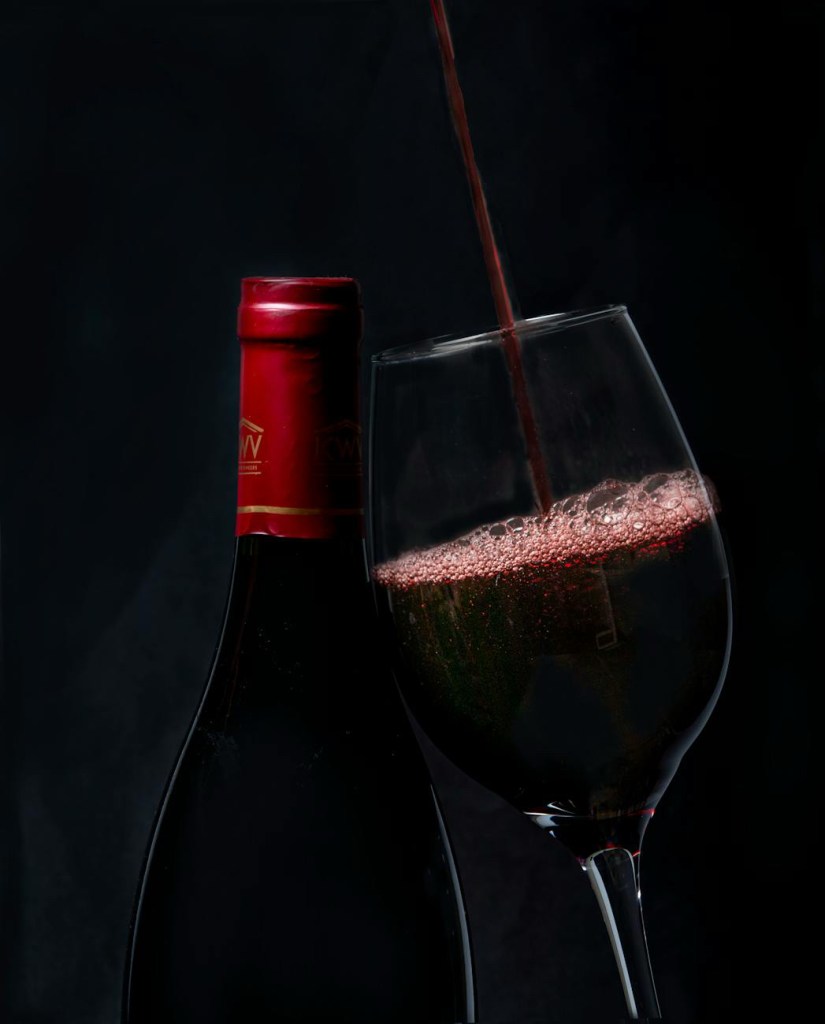
There’s a 94-year-old winemaker in Sardinia who knows every vine in his vineyard by heart.
Not because he’s memorized them. But because he’s walked them every day for seventy years. Pruned them. Talked to them. Watched them struggle through droughts and flourish in good seasons.
When he pours you a glass of his Cannonau wine, he’s not just serving you alcohol. He’s serving you seven decades of relationship with the land. With the weather. With tradition. With patience.
“Wine isn’t something you drink,” he tells visitors. “It’s something you experience. Every glass tells a story.”
This is the adventure most of us miss when we grab the cheapest bottle at the grocery store or order “whatever red is good” at a restaurant.
We treat wine like a commodity. A means to an end. A way to relax or socialize or forget the day.
But the Blue Zones teach us something different: wine, approached with intention and curiosity, can be a gateway to culture, geography, history, and the art of savoring.
This isn’t about becoming a wine snob. It’s about becoming a wine adventurer.
Let me show you how.
The Geography in Your Glass
Every wine is a place.
When you drink wine from Sardinia, you’re tasting limestone soil and Mediterranean sun and ancient vines that have weathered centuries of wind. You’re tasting the island’s isolation, its stubbornness, its refusal to modernize too quickly.
When you drink wine from Ikaria, you’re tasting volcanic soil and sea breeze and the Greek philosophy of living at a pace the rest of the world has forgotten.
When you drink wine from anywhere, really, you’re drinking terroir—the French word for “sense of place.” The combination of soil, climate, elevation, tradition, and time that makes wine from one region taste completely different from wine from another region, even when they’re made from the same grape.
Most of us have never thought about this. We just know we like red or white, sweet or dry. Maybe we have a favorite brand.
But here’s the adventure: you can travel the world through wine.
You can taste Sardinia without flying to Sardinia. You can experience the volcanic islands of Greece without leaving your living room. You can explore the history of a region, its agricultural practices, its cultural values—all through what’s in your glass.
Your adventure: For the next three months, make wine a geography lesson.
Pick a Blue Zone region. This month, drink only wines from that region. Learn about it. Where is it? What grapes grow there? What’s the history? What makes the wine from this place distinct?
- Sardinia: Look for Cannonau (known elsewhere as Grenache). Research the island’s shepherding culture.
- Ikaria: Explore Greek wines—Assyrtiko, Agiorgitiko, Xinomavro. Learn about the island’s relaxed pace of life.
- Southern France (near Ikaria): Try wines from Provence, Languedoc. Understand the Mediterranean lifestyle.
Next month, pick a different region. Repeat.
You’re not just drinking. You’re exploring. You’re learning. You’re connecting to place through taste.
The Art of Tasting (Really Tasting)
Most of us don’t actually taste wine. We drink it.
We pour a glass, take a sip, swallow, repeat. Maybe we notice if it’s good or terrible. But we’re not really paying attention.
The Blue Zones approach to wine is the opposite: it’s about slowing down. Savoring. Being present to the experience.
This is meditation in a glass.
The Five-Step Tasting Ritual:
1. Look Pour the wine. Hold it up to the light. What color is it? Deep purple? Ruby? Pale gold? The color tells you about the grape, the age, how it was made.
Don’t rush. Just look. Notice.
2. Swirl Swirl the wine gently in the glass. This releases the aromatics—the molecules that carry scent. Watch how the wine moves. Is it thick (high alcohol or sugar)? Or thin and watery?
3. Smell Put your nose in the glass. Breathe deeply. What do you smell?
Don’t worry about “getting it right.” There are no wrong answers. Just notice.
Do you smell fruit? (Berries, cherries, citrus?) Flowers? Earth? Spices? Oak? Leather?
Smell again. Notice what changes. The first smell is often different from the second or third.
4. Taste Take a small sip. Don’t swallow immediately. Let it sit on your tongue. Move it around your mouth. Notice the flavors.
Sweet? Sour? Bitter? Savory? What specific flavors emerge? How does it feel in your mouth—smooth, rough, tannic?
Now swallow. Notice the finish—what lingers after you swallow? Does the flavor disappear or stay with you?
5. Reflect Pause before the next sip. What did you notice? What did you like? What surprised you?
You’re training your palate. Building awareness. Cultivating presence.
Your adventure: For one week, taste wine this way. Just one glass, but taste it fully.
Five minutes. Five steps. Full attention.
Notice how this changes the experience. Notice how much more you actually taste when you slow down.
The Variety Quest: Finding What You Actually Love
Here’s a confession: most people drink the same wines over and over because it’s safe. Familiar. Easy.
But you might be missing wines you’d love because you’ve never tried them.
Your adventure: The 12-Month Variety Quest.
Each month, try a wine you’ve never had before. Different grape. Different region. Different style.
Suggested quest:
- January: Sardinian Cannonau (the Blue Zones red)
- February: Greek Assyrtiko (a crisp, mineral white)
- March: Spanish Albariño (aromatic and refreshing)
- April: Austrian Grüner Veltliner (peppery white)
- May: Italian Nebbiolo (complex, age-worthy red)
- June: South African Chenin Blanc (versatile white)
- July: Portuguese Vinho Verde (slightly sparkling, light)
- August: Argentine Malbec (bold, fruity red)
- September: German Riesling (range from bone-dry to sweet)
- October: Oregon Pinot Noir (elegant, earthy red)
- November: French Beaujolais (light, food-friendly red)
- December: Italian Prosecco (celebratory sparkling)
Keep notes. What did you love? What didn’t work for you? What surprised you?
By the end of the year, you’ll have a much clearer sense of your actual preferences—not just what you’ve always ordered by default.
The Food Pairing Adventure
In Blue Zones, wine is never consumed alone. It’s always with food. And the right pairing elevates both.
This is where wine becomes truly experiential.
The Pairing Principles:
Match intensity: Light wines with light foods. Bold wines with bold foods. A delicate white gets overwhelmed by steak. A heavy red overpowers fish.
Complement or contrast: You can match flavors (earthy wine with mushrooms) or create contrast (sweet wine with salty cheese).
Consider acidity: High-acid wines (like Sauvignon Blanc) cut through fatty foods (like fried chicken). They refresh your palate.
Think about tannins: Red wines with tannins pair well with protein and fat (steak, lamb, aged cheese). Tannins bind to protein and taste smoother.
Your adventure: The Monthly Pairing Challenge.
Each month, host a pairing dinner. Pick a wine and design a meal around it (or vice versa).
Examples:
- Sardinian Cannonau + Roasted lamb with rosemary (traditional Sardinian pairing)
- Greek Assyrtiko + Grilled octopus or feta salad (tastes like the Mediterranean)
- Spanish Albariño + Seafood paella or grilled shrimp
- Italian Nebbiolo + Mushroom risotto or braised short ribs
Invite friends. Make it an event. Explore how food and wine transform each other.
You’re not just eating and drinking. You’re discovering the art of pairing. You’re experiencing what the Sardinian winemaker meant about wine telling a story.
The Winery Pilgrimage
Here’s the ultimate wine adventure: visit where it’s made.
Not the massive commercial wineries with tour buses and gift shops. But small, family-owned wineries where you can meet the people who make the wine. Where you can walk the vineyard. Where you can taste wine that never leaves the region.
The Blue Zones Winery Pilgrimage List:
If you ever get the chance to travel to these regions, seek out small wineries:
Sardinia: Visit a family winery in Barbagia or Ogliastra. Taste Cannonau while looking at the vines that produced it. Ask about traditional winemaking.
Ikaria: Seek out small producers making wine from indigenous grapes. These wines are hard to find outside Greece—taste them at the source.
Anywhere with wine culture: Napa, Willamette Valley, Rioja, Tuscany, Mendoza, Stellenbosch. Go small. Go family-owned. Go where the winemaker will talk to you about their philosophy.
Your adventure: Plan one winery visit in the next year. Even if it’s just a day trip to a regional winery two hours from home.
Go with intention. Ask questions:
- How long has your family been making wine?
- What makes wine from this region special?
- How do you decide when to harvest?
- What’s your winemaking philosophy?
Taste slowly. Buy a bottle to take home. Open it in six months and remember the experience.
This is how wine becomes more than wine. It becomes memory. Story. Connection.
The Moderation Adventure
Here’s where the adventure gets challenging: Can you explore wine deeply while staying within the Blue Zones guidelines of 1-2 glasses per day?
Can you be curious about wine without letting it become unhealthy?
This is the balance the Sardinian centenarians have mastered. They love wine. They’re surrounded by wine. But they don’t overdrink.
Your adventure: The Mindful Month Challenge.
For 30 days, follow these rules:
- Only drink wine with food. No exceptions.
- Limit to 5 ounces (one glass). Measure it. Don’t eyeball.
- Never drink alone. Share it with someone or save it for when you can.
- Taste, don’t gulp. Make the glass last 30+ minutes.
- Skip two days per week. Give your body a break.
Notice what this does to your relationship with wine. Does it become more special? More savored? Or does it feel restrictive?
If it feels restrictive—if you’re craving wine on the off days or struggling to stop at one glass—that’s information. You might need to examine your relationship with alcohol.
But if it feels liberating—if you’re enjoying wine more because you’re drinking it more intentionally—you’ve found the Blue Zones sweet spot.
The Wine Education Adventure
Want to go deeper? Turn wine into a serious learning quest.
Options:
Take a wine class. Many wine shops and community colleges offer intro courses. You’ll learn about regions, grapes, tasting technique, pairing.
Join a wine club. Not the kind that ships you random bottles. The kind where you meet monthly with other enthusiasts to taste and discuss.
Get certified. WSET (Wine & Spirit Education Trust) offers courses from beginner to advanced. Level 1 is accessible and fascinating.
Read. Books like The Wine Bible by Karen MacNeil or Wine Folly by Madeline Puckette make wine education approachable and visual.
Follow wine educators online. Instagram and YouTube have excellent wine content from sommeliers and educators who make learning fun.
Your adventure: Commit to three months of wine education. Pick one method above and dive in.
By the end, you’ll taste wine differently. You’ll understand what you’re drinking. You’ll have language for what you like and why.
The Social Wine Ritual
Remember: in Blue Zones, wine is never about the alcohol. It’s about the gathering. The conversation. The ritual of transition from work to rest.
Your adventure: Create your own Wine @ 5 tradition, but make it educational.
The Weekly Wine Circle:
Invite 3-5 friends. Once a week or once a month. Rotating host.
- Each person brings a bottle from a different region or grape
- Taste them all together, using the five-step ritual
- Discuss: What do you taste? What do you like? What’s surprising?
- Pair with small bites—cheese, olives, bread, vegetables
- Limit to 1-2 glasses per person
- Make it about discovery, not consumption
Over months, you’ll develop your palates together. You’ll explore the world. You’ll create a ritual that’s about connection and curiosity.
This is wine as adventure. Wine as education. Wine as relationship.
This is the Blue Zones way.
The Sustainable Wine Adventure
Here’s an adventure that connects wine to values: exploring sustainable and biodynamic wines.
Many small producers—especially in Blue Zones regions—are returning to traditional, organic methods. They’re farming with respect for the land, minimal intervention, natural processes.
Your adventure: Seek out sustainable wines.
Look for:
- Organic certification (grapes grown without synthetic pesticides)
- Biodynamic certification (holistic farming approach)
- Natural wines (minimal intervention, low/no sulfites)
- Small family producers (often more sustainable by default)
These wines often taste different—more alive, more expressive of place. They also align with Blue Zones values of respecting the land and traditional practices.
Your practice: Next time you buy wine, ask: “Do you have any organic or biodynamic options?” See what you discover.
Your Wine Adventure Starts Now
Here’s the beautiful truth: wine can be one of life’s great adventures.
Not because of the alcohol. But because of the curiosity it invites. The places it takes you. The conversations it sparks. The traditions it connects you to.
The 94-year-old Sardinian winemaker isn’t just making wine. He’s preserving tradition. He’s maintaining relationship with land. He’s creating something that carries the essence of his place and his lifetime.
When you drink his wine—or any wine—with curiosity and presence, you’re participating in that story.
You’re not just consuming. You’re experiencing. Learning. Connecting.
And that—that sense of wonder, that commitment to savoring, that willingness to explore—is what keeps the Blue Zones centenarians young at heart even as they age in years.
So here’s my question: What’s your next wine adventure?
Will you explore a new region? Master the art of tasting? Host a pairing dinner? Visit a winery? Join a wine circle?
Pick one. Start this week. Approach it with curiosity, not consumption.
And discover what the Sardinians have known for centuries: the best wines aren’t the most expensive or the highest-rated.
They’re the ones drunk slowly, with people you love, with full presence, while creating memories that will outlast the bottle.
Salute to your adventure. 🍷
May it be long, curious, and moderately enjoyed for decades to come.
Return to the Blue Zones series or explore more about creating rituals that enhance longevity and joy.
In the Blue Zones, wine is a companion to meals and conversation, not an isolated habit. If you’re interested in the research and the specific cultural practices that define this principle of moderation, the original book is your essential guide.
I’m savoring the insights from this journey and invite you to explore them with me.
With clarity and cheer: This link is part of the Amazon Services LLC Associates Program. If you purchase through it, I may earn a small commission. Your price remains the same, and your support helps keep this blog a resource for thoughtful, well-researched lifestyle wisdom. Thank you!
Here’s to learning and living well—together. What aspect of “moderation” resonates most with you?



 Platnumkitty
Leave a comment