Part 8 of our Blue Zones Series
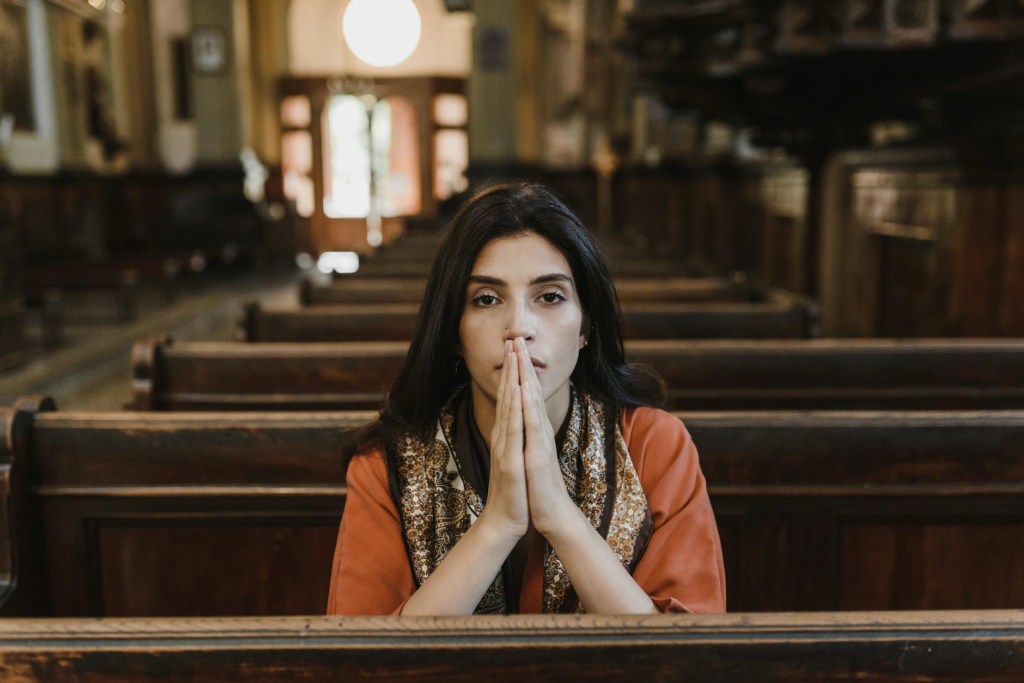
There’s a 96-year-old woman in Loma Linda, California, who hasn’t missed a Saturday church service in over seventy years.
Not because she’s afraid of divine punishment. Not because someone is making her go. But because, as she puts it, “That’s where my people are. That’s where I belong.”
Every Saturday, she sees the same faces. Sings the same hymns. Hears the same kinds of sermons. Shares a meal afterward. Checks in on people who weren’t there. Gets checked in on when she’s not feeling well.
For seven decades, this community has held her. Celebrated her joys. Mourned her losses. Shown up when she needed help. Given her a place to show up for others.
And the research is clear: this kind of belonging—this consistent, multigenerational, values-based community—adds between 4 and 14 years to your life.
Not because God is rewarding her. But because humans are wired for belonging. And when we have it, we thrive. When we don’t, we wither.
The Loneliness Epidemic
Before we talk about the solution, let’s talk about the problem.
We’re living through the worst loneliness epidemic in human history.
More people live alone than ever before. More people report having no close friends. More people spend their evenings scrolling instead of connecting. More people can go days without a meaningful conversation.
And it’s killing us.
Literally.
Loneliness increases your risk of early death by 26%. It’s as harmful as smoking 15 cigarettes a day. It increases your risk of dementia by 50%, depression by 250%, heart disease by 29%.
We’re not just sad and isolated. We’re dying from it.
The Blue Zones centenarians don’t have this problem. Not because they’re extroverts or naturally social, but because they live in cultures that make belonging inevitable.
In Okinawa, everyone belongs to a moai—a lifelong social circle formed in childhood. In Sardinia, multigenerational families live in the same village for generations. In Nicoya, tight-knit communities know everyone’s business (for better or worse). In Loma Linda and Ikaria, faith communities provide built-in belonging.
They don’t have to work to find community. Community is just the water they swim in.
But we do. We have to build it. Intentionally. Deliberately. Like our lives depend on it.
Because they do.
The Faith-Based Longevity Advantage
Here’s the data that surprises people: attending faith-based services four times per month is associated with 4-14 extra years of life.
That’s massive. That’s bigger than most medications. That’s bigger than most diet interventions.
But here’s what’s important: it’s not about the theology. It’s about what happens around the theology.
Regular gathering. Faith communities meet weekly or more. You show up. People notice when you don’t.
Multigenerational connection. Churches, synagogues, mosques, and temples bring together young and old. You’re not siloed by age. You have relationships across generations.
Shared values. You’re gathering with people who share core beliefs about meaning, purpose, morality, and how to live. This creates deep alignment and trust.
Built-in service. Faith communities typically involve serving others—volunteering, helping members in need, caring for the sick and elderly. This gives you purpose and strengthens bonds.
Ritual and rhythm. Weekly services create structure. Sabbaths create rest. Holidays create celebration. Life has a sacred rhythm instead of just being a blur of sameness.
Support in crisis. When someone in a faith community gets sick, loses a job, or faces tragedy, the community shows up. Meals appear. Rides are arranged. People visit. You’re not alone in your suffering.
This is powerful medicine. And you don’t need to believe in God to access most of it.
You just need to belong somewhere.
The Secular Search for Belonging
So what if you’re not religious? What if faith communities don’t resonate? What if you’ve tried church and it’s not for you?
You still need belonging. You still need community. You still need people who notice when you don’t show up.
The question is: where do you find it?
The answer: you have to build it. Or join something that’s already built.
Your adventure: Finding your tribe is one of the most important quests of your life. It’s not optional. It’s not “nice to have.” It’s essential for your health, happiness, and longevity.
Here’s how to do it.
Strategy 1: Join Something That Meets Regularly
The key word is regularly. Not once. Not when you feel like it. But weekly or at least monthly, on a predictable schedule.
Because belonging isn’t built in one gathering. It’s built through repeated presence. Through seeing the same faces. Through building inside jokes and shared history. Through noticing patterns—who’s quiet today, who’s struggling, who’s thriving.
Options:
- Book clubs. Weekly or monthly discussions about books you love.
- Sports leagues. Softball, volleyball, pickleball, running clubs.
- Hobby groups. Knitting circles, woodworking clubs, photography groups, board game nights.
- Volunteer organizations. Habitat for Humanity, soup kitchens, animal shelters, environmental groups.
- Fitness classes. Not the gym where you’re anonymous. But a specific class with the same people—yoga, CrossFit, dance, martial arts.
- Music groups. Community choirs, drum circles, open mic nights, jam sessions.
- Learning communities. Adult education classes, language exchanges, writing workshops.
The content matters less than the consistency. You’re not joining to become a master knitter or an elite athlete. You’re joining to belong.
Your practice: Pick one. Research options this week. Show up next week. Commit to going four times before you decide if it’s for you.
Strategy 2: Create Your Own Gathering
If you can’t find something that fits, create it.
This is what the Okinawans did with moai—they intentionally formed social circles and committed to them for life.
You can do a scaled-down version.
The Weekly Dinner Club: Invite 4-6 people. Same night every week (or every other week). Rotate hosting. Everyone brings a dish. The point isn’t the food. It’s the showing up.
The Sunday Morning Walk Group: Meet at the same trailhead. Same time. Every Sunday. Walk for an hour. Talk. No agenda. Just presence.
The Monthly Game Night: Board games, card games, whatever. Same people. Same night (first Friday, last Saturday, whatever works). Consistency is the magic ingredient.
The Accountability Circle: 3-5 people committed to a shared goal (writing, fitness, learning a language). Meet weekly. Check in. Support. Celebrate. Struggle together.
Your practice: Think of 4-6 people you genuinely like and want to see more often. Text them. Propose a regular gathering. Start small (monthly). See if it sticks. If it does, increase frequency.
Strategy 3: Show Up For the Long Game
Here’s the hard truth: belonging takes time.
You can’t go to one book club meeting and expect to feel like you belong. You can’t show up to two yoga classes and have deep friendships.
Belonging is built over months and years. Through showing up even when you don’t feel like it. Through being there when someone else is struggling. Through letting people see you, not just your highlight reel.
The 96-year-old woman in Loma Linda didn’t belong to her church immediately. She belonged after showing up for seventy years. After baptizing her kids there. After mourning her husband there. After celebrating births and weddings and graduations there.
You don’t need seventy years. But you do need more than three weeks.
Your practice: Commit to showing up for six months. Not forever. Just six months. Give belonging a real chance. Because most people quit right before it gets good.
Strategy 4: Be The Person Who Shows Up For Others
Belonging isn’t passive. It’s not just showing up and waiting for people to befriend you.
It’s active. It’s being the person who remembers birthdays. Who asks how the job interview went. Who brings soup when someone is sick. Who shows up to the thing even when it’s inconvenient.
In Blue Zones communities, everyone has a role. Everyone contributes. Everyone is both giver and receiver.
You can’t just take. You have to give.
Your practice:
- Remember details. When someone shares something important, write it down. Follow up later. “How did your daughter’s surgery go?” This is how you show people they matter.
- Offer help before being asked. “I’m going to the store, can I grab you anything?” “I have Thursday free, want help moving that furniture?”
- Celebrate people. Notice accomplishments. Send the card. Bring the cake. Make a big deal about things that matter to them.
- Show up in hard times. This is where belonging deepens. When someone is grieving, struggling, scared—be present. You don’t need the right words. You need to be there.
Strategy 5: Choose Depth Over Breadth
American culture celebrates having a huge network. 500 Facebook friends. 1,000 Instagram followers. Networking events where you collect business cards.
Blue Zones cultures do the opposite. They have small, deep circles.
The moai in Okinawa is typically 5-7 people. The Sardinian village might have 200 people total. The Adventist church congregation is intimate and consistent.
You don’t need 100 friends. You need 3-7 people who really know you. Who you see regularly. Who you’d call in a crisis. Who would notice if you disappeared.
Your practice: Identify your inner circle. Who are the 3-7 people you want to invest in deeply? Then invest. Prioritize them. Schedule regular time. Go deep instead of wide.
The Non-Religious Spiritual Community
What if you’re drawn to spirituality but not organized religion?
There are options:
Meditation groups. Insight meditation communities, Buddhist sanghas, mindfulness groups. Many meet weekly and create deep belonging around practice.
Yoga communities. Not just drop-in classes, but studios with consistent communities, workshops, retreats. Places where people know your name.
Secular humanist groups. Sunday Assembly and similar organizations that offer community, ritual, and values without theology.
Philosophical discussion groups. Stoicism clubs, philosophy cafes, ethics discussion groups.
Nature-based communities. Groups that gather around reverence for nature—hiking clubs, conservation groups, wilderness retreats.
Your practice: Research what’s in your area. Try three different communities. See where you feel most yourself.
The Belonging Audit
Let’s get real. Let’s look at your actual community right now.
Question 1: If you were hospitalized tomorrow, who would visit?
Question 2: If you needed someone to drive you to the airport at 5 AM, who could you call?
Question 3: Who would notice if you didn’t show up somewhere for two weeks?
Question 4: Who knows what’s really going on in your life—not just the surface stuff?
Question 5: Who do you see in person at least monthly?
Question 6: Who shares your values and makes you feel like you belong?
If you struggled to answer these questions, you’re not alone. Most people do.
But this is your wake-up call. Because the 96-year-old woman in Loma Linda can answer all of these questions immediately. With names. With people who’ve been there for decades.
You can have that. But you have to build it.
Building Belonging in a Disconnected World
Here’s what the Blue Zones teach us: belonging doesn’t happen accidentally anymore.
It used to. When people lived in small villages. When families stayed in one place for generations. When church or temple was the center of social life.
But now? Now you have to engineer it.
You have to choose a community and commit. You have to show up even when you’re tired. You have to be vulnerable even when it’s uncomfortable. You have to prioritize people over productivity.
This is countercultural. This is radical.
But it’s also ancient. It’s what humans have done for thousands of years. We’re just remembering how.
Your adventure: This week, take one action toward belonging:
Monday: Research three groups or communities in your area. Book clubs. Churches. Volunteer organizations. Whatever resonates.
Tuesday: Reach out to one. Ask when they meet. Put it in your calendar.
Wednesday: Text 3-5 people you genuinely like. Propose a regular gathering. Be specific about timing.
Thursday: Show up to something. Anything. A class. A meeting. A group. Practice being present with other humans.
Friday: Follow up with someone from a community you’re part of. Check in. Ask how they’re doing. Build the connection.
Saturday: Reflect on your inner circle. Who are your people? Schedule time with one of them this month.
Sunday: If you’re drawn to faith communities, visit one. No commitment. Just see how it feels.
The Long Game of Belonging
When you invest in belonging—when you find your people and show up for them consistently—here’s what happens:
Month 1: You feel awkward. You’re the new person. You don’t know the inside jokes. You wonder if this is worth it.
Month 3: You start recognizing faces. People know your name. You have a few people you actually talk to.
Month 6: You’re part of the group. You have inside jokes now. People ask where you were when you miss a meeting. You feel the beginning of belonging.
Year 1: These are your people. You’ve been through something together—a season, a project, a challenge. You trust them. They trust you.
Year 3: This community is woven into your life. You can’t imagine not having it. These people have been there for your highs and lows. You’ve been there for theirs.
Year 10+: This is family. Not by blood, but by choice and consistency. These are the people who will show up at your funeral. Who your kids will remember. Who make your life worth living.
This is what the 96-year-old woman in Loma Linda has. And it’s worth 14 extra years.
The Promise of Belonging
The research is unequivocal: belonging is one of the most powerful predictors of longevity.
More powerful than diet. More powerful than exercise. On par with not smoking.
Because when you belong, you have a reason to take care of yourself. You have people who notice when you’re struggling. You have support in crisis. You have joy in celebration. You have meaning in everyday life.
And all of that—all of it—keeps you alive longer.
So here’s my question: Where do you belong?
If you can answer that immediately, with a community you’re part of, people you see regularly, a place where you’re known—you’re ahead of most people. Keep investing there.
If you can’t answer it, that’s okay. But it’s time to start building.
Your 100-year-old self—the one surrounded by people who’ve known them for decades, who has deep roots in a community, who is held by a web of connection—is waiting.
Go find your people. Or create them.
Your life literally depends on it.
Next in the series: Loved Ones First – Why Blue Zones centenarians keep family close, invest in their children, and commit to life partners. And how to prioritize relationships in a culture that prioritizes everything else.
“Belonging” isn’t a happy accident; it’s a practice. If you’re feeling inspired to nurture your own social network and understand its vital role in a long, happy life, the original research is a wonderful guide.
I’m reflecting on my own circles of connection through this journey, and I warmly invite you to explore it alongside me.
With openness and gratitude: This link is part of the Amazon Services LLC Associates Program. If you purchase through it, I may earn a small commission. Your price stays the same, and your support helps me continue building a community here, one meaningful post at a time. Thank you for being part of it.
Let’s cherish our connections. Who is someone you’re grateful to have in your circle today?



 Platnumkitty
Leave a comment