Part 11 of our Blue Zones Series

I used to keep a list.
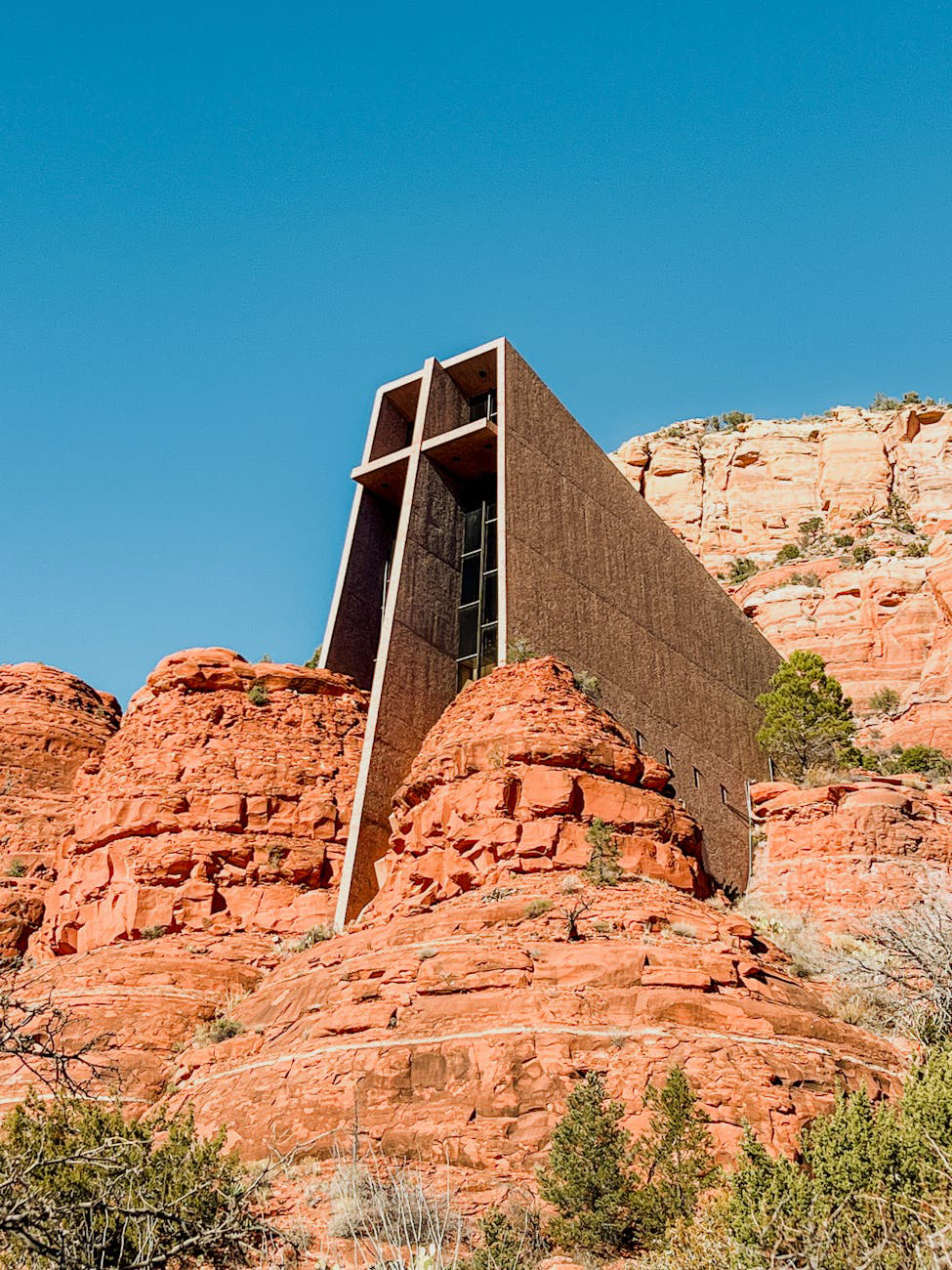
Santorini. Check. Sunset in Sedona. Check. Hike Diamondhead. Double-check with the perfect Instagram proof.
But somewhere between temple number seventeen and waterfall number nine, I had this unsettling thought: I’m devouring the world like a buffet, but what am I actually leaving behind?
That’s when everything changed.
The Unspoken Emptiness of the Checked Box
We’ve been sold a particular vision of travel. Collect experiences like trading cards. Hit the highlights. Optimize the itinerary. Get the shot. Move on.
And look, there’s nothing inherently wrong with wanting to see beautiful places. The problem is that this approach turns us into spectators in our own lives—consuming moments rather than creating meaning.
You know that feeling when you’re standing in front of something breathtaking, but you’re already thinking about the next destination? That’s the symptom of bucket-list fatigue. We’re so focused on what we haven’t done yet that we forget to ask a more important question: What can I give here?
Where Ikigai Meets the Open Road
The Japanese concept of ikigai has become trendy in personal development circles, often oversimplified into finding your passion or purpose. But at its heart, ikigai is about the intersection of four elements:
- What you love
- What you’re good at
- What the world needs
- What you can be valued for
Now imagine applying this framework not just to your career, but to how you move through the world.
What if your travels weren’t about ticking off UNESCO sites, but about discovering where your unique gifts meet a genuine need in the communities you visit? What if the question shifted from “What can I see here?” to “What can I offer here?”
This isn’t about becoming a voluntourist or dropping everything to build wells (though if that’s your calling, beautiful). It’s about traveling with an open hand instead of just an open camera roll.
The Latin American Wisdom of Plan de Vida
In Central and South America, indigenous communities have long practiced something called Plan de Vida—a life plan that’s deeply communal. It’s not about individual achievement but about how your life weaves into the collective wellbeing of your community and environment.
When you combine this wisdom with modern travel, something shifts. You start asking:
- How does my presence here add value rather than just extract it?
- What skills or knowledge do I carry that might serve this place?
- How can I learn in ways that honor rather than appropriate?
A friend of mine who’s a graphic designer spent three weeks in a small Colombian town. Instead of just taking a salsa class and touring coffee farms, she offered free brand design workshops to local entrepreneurs. She left with deeper friendships, better Spanish, and stories you can’t buy with any tour package. The town got fresh marketing materials for their businesses.
Everyone was richer for it.
What This Actually Looks Like (Without Quitting Your Job)
Let’s get practical, because this isn’t about becoming a full-time humanitarian. Here’s how real people are shifting from consumption to contribution:
The teacher who travels: Instead of just beach resorts, she reaches out to local schools beforehand and offers a few hours of conversation practice with kids learning English. She still gets her beach time.
The musician who wanders: He brings a small ukulele and ends up jamming with street performers, learning local rhythms, teaching a few chords. Music becomes his universal language of exchange.
The writer who roams: She interviews elders in the places she visits about their life stories, then shares them on her blog with permission, creating a digital archive of voices that might otherwise go unheard.
The cook who explores: He trades cooking lessons—teaching pasta-making in Thailand while learning curry techniques. The hostel kitchen becomes his classroom and his contribution.
None of these people are saints. They’re just travelers who decided that the best souvenir is reciprocity.
The Questions That Change Everything
Before your next trip, try asking yourself:
What do I already know how to do that someone else might value? You don’t need rare expertise. Can you fix bikes? Teach basic coding? Lead a great workout? Take decent photos? Braid hair? These mundane skills can become gifts in the right context.
What am I genuinely curious to learn here? Not in a extractive “I want to take your cultural practice home” way, but in a humble student way. Real curiosity creates relationships, not just content.
How can I support the local economy beyond just hotels and tours? Eat at family restaurants. Buy directly from artists. Hire local guides. Pay fairly. Tip generously. Economic contribution is contribution.
What would it mean to stay longer instead of seeing more? Sometimes the greatest gift is your sustained attention. A month in one place creates different possibilities than a week each in four places.
When Your Joy Meets the World’s Need
Here’s what I’ve learned: The moments that changed me weren’t the ones on my original bucket list.
It was teaching English idioms to teenage girls in Greece who taught me about philoxenia—the sacred art of hospitality—in return. It was learning to make tortillas with a grandmother in Oaxaca who shared stories about her Zapotec heritage that no guidebook contained. It was offering photography lessons to young people in a coastal barangay in the Philippines who then documented their own community’s stories.
These experiences weren’t things I could have planned or Googled. They emerged from showing up with an offering, not just an appetite.
This is the secret hiding in plain sight: when you approach travel as contribution, you actually receive more. Not more checked boxes, but more connection, more meaning, more transformation. You become part of the ecosystem instead of just passing through it.
Your Gifts Are Needed Somewhere
You have skills, knowledge, presence, and attention that somewhere in this world, someone would value. The question isn’t whether you have something to offer—it’s whether you’re willing to slow down enough to discover where that offering belongs.
The bucket list will always be there, tempting you with its neat completions and bragging rights. But what if there’s a different kind of list? One that doesn’t get shorter but deeper. One measured not in places visited but in connections made, value added, and gifts exchanged.
That’s not a bucket list. That’s a life.
So here’s my invitation: On your next adventure, pack one more thing alongside your passport and packing cubes. Pack an intention to contribute something, however small. Then stay curious about what wants to emerge.
The world has enough tourists. What it needs is more travelers who understand that the greatest journey isn’t about what you can take from the world, but what you can give while you’re here.
And that? That’s a trip worth taking.
Disclosure: I am an Amazon Associate. Purchases made through the link above support my work at no additional cost to you. I appreciate you trusting my recommendations—I only share resources I find truly transformative.
What gifts do you carry that the world needs? Where does your joy meet someone else’s need? I’d love to hear about the times travel became contribution for you—drop a comment below.


 Platnumkitty
Leave a comment