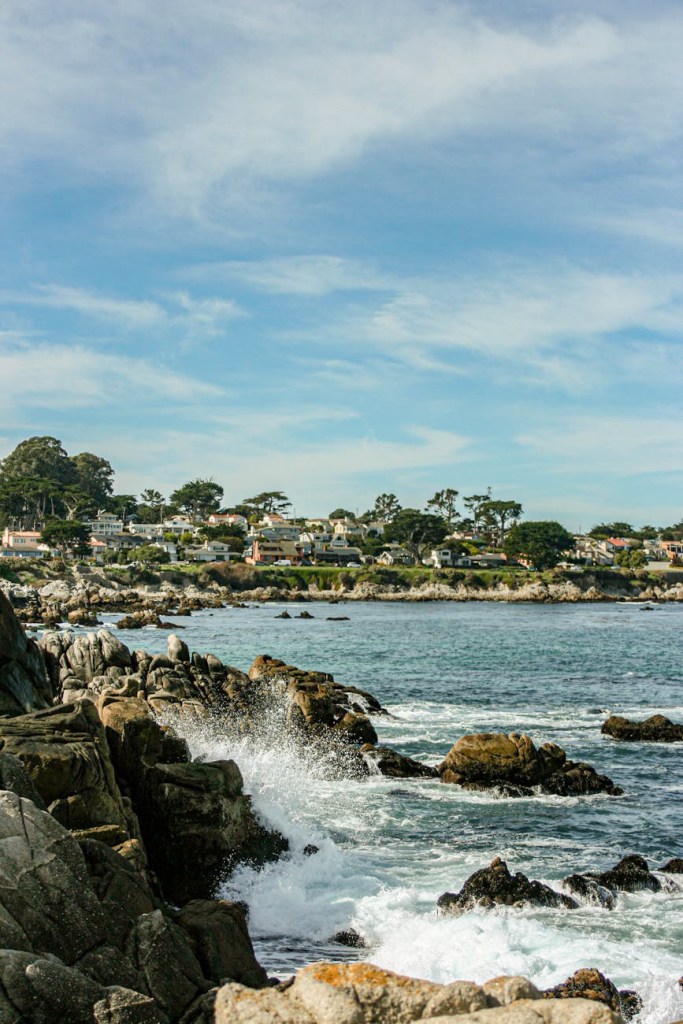
The morning fog rolls in off the Pacific like a whisper, wrapping around the cypress trees and settling into the valleys between the Santa Lucia Mountains and the sea. This is how most days begin in Carmel-by-the-Sea, a place where European charm meets California casual, and every corner feels like it was painted specifically for you to discover.
I’ve lived on California’s Central Coast for years now, and I can tell you without hesitation: Carmel isn’t just a place you visit. It’s a feeling that stays with you, a quality of light you’ll find yourself chasing long after you’ve left.
The Magic of Carmel Living
There’s something about waking up in Carmel that feels different from anywhere else. Maybe it’s knowing that within minutes, you can be walking barefoot on sugar-white sand at Carmel Beach while sea otters float on their backs just beyond the breakers, cracking open mussels for breakfast. These playful creatures are so accustomed to humans that they’ll swim within feet of beachgoers, seemingly as curious about us as we are about them. Watch them long enough, and you’ll see them use rocks as tools, wrap themselves in kelp to avoid drifting while they nap, or cradle their pups on their bellies as they bob in the surf.
The town itself is a storybook village where cottages peek out from behind pine trees, and locals still debate whether street addresses (only added in the 1920s) were a good idea. There are no chain restaurants, no neon signs, no traffic lights. What you get instead is authenticity—art galleries showcasing local painters, family-owned restaurants where the chef knows your name, and a genuine sense of community that’s increasingly rare in modern California.
Must-See Sights That Define the Central Coast
The Iconic 17-Mile Drive
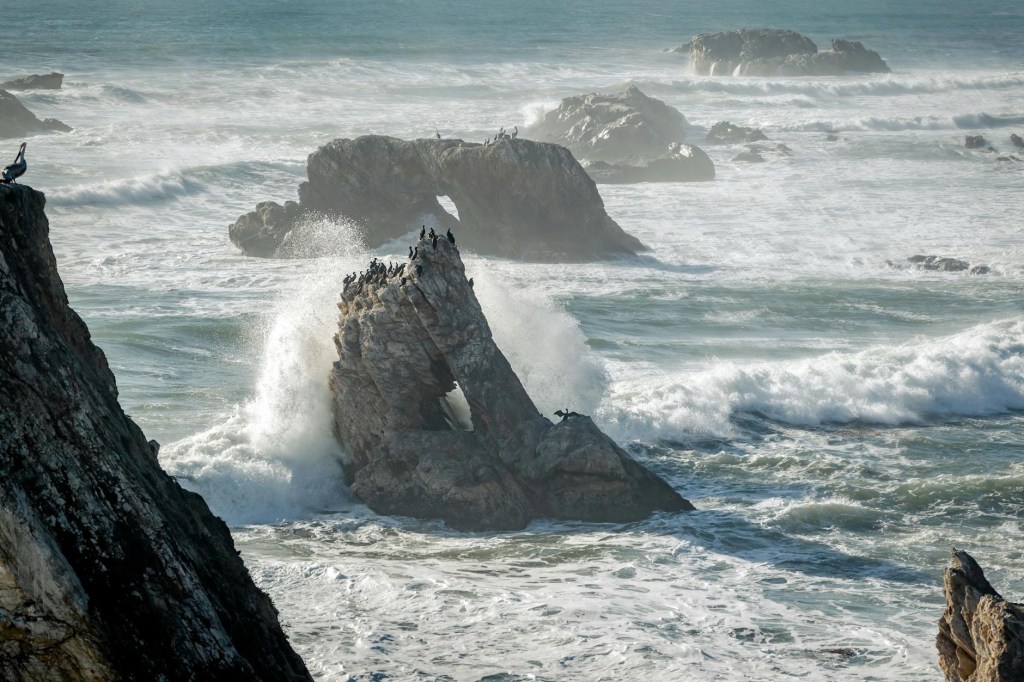
The world-famous 17-Mile Drive isn’t just a scenic route; it’s a pilgrimage through some of the most photographed coastline on Earth. Wind through Del Monte Forest past the legendary Lone Cypress, standing sentinel on its rocky outcrop for over 250 years. The drive takes you through Pebble Beach’s manicured golf courses—where the AT&T Pebble Beach Pro-Am draws the world’s best golfers each February—past white sand beaches where harbor seals haul out in the dozens, and along dramatic cliff-top vistas that have inspired countless painters, photographers, and poets.
Stop at Fanshell Beach during pupping season (April-May) to see hundreds of harbor seals with their newborns. Pull over at China Cove, where the turquoise water rivals anything in the Caribbean. The entrance fee is worth every penny, and if you’re staying locally or dining at Pebble Beach, it’s often complimentary.
Big Sur: Where the Mountains Meet the Sea
Just thirty minutes south of Carmel, Big Sur begins—90 miles of the most dramatic coastline in America. This is where the Santa Lucia Mountains rise straight from the Pacific, creating a landscape so stunning that Henry Miller called it “the face of the earth as the Creator intended it to look.”
Drive Highway 1 south and you’ll encounter the iconic Bixby Bridge, that graceful concrete arch suspended 260 feet above Bixby Creek. Pull over at the vista point on the north side for photos that will make your friends think you hired a professional location scout. Continue on to discover hidden beaches, redwood groves, and clifftop trails where California condors soar overhead.
McWay Falls at Julia Pfeiffer Burns State Park drops eighty feet directly onto a pristine beach (accessible only by sight, not foot), creating one of the rare coastal waterfalls in the world. Further south, the Ventana Big Sur offers glamping experiences that redefine luxury camping—imagine falling asleep to ocean sounds in a safari-style tent with a real bed, hot shower, and a fire pit for stargazing.
Jade Cove: A Hunter’s Paradise
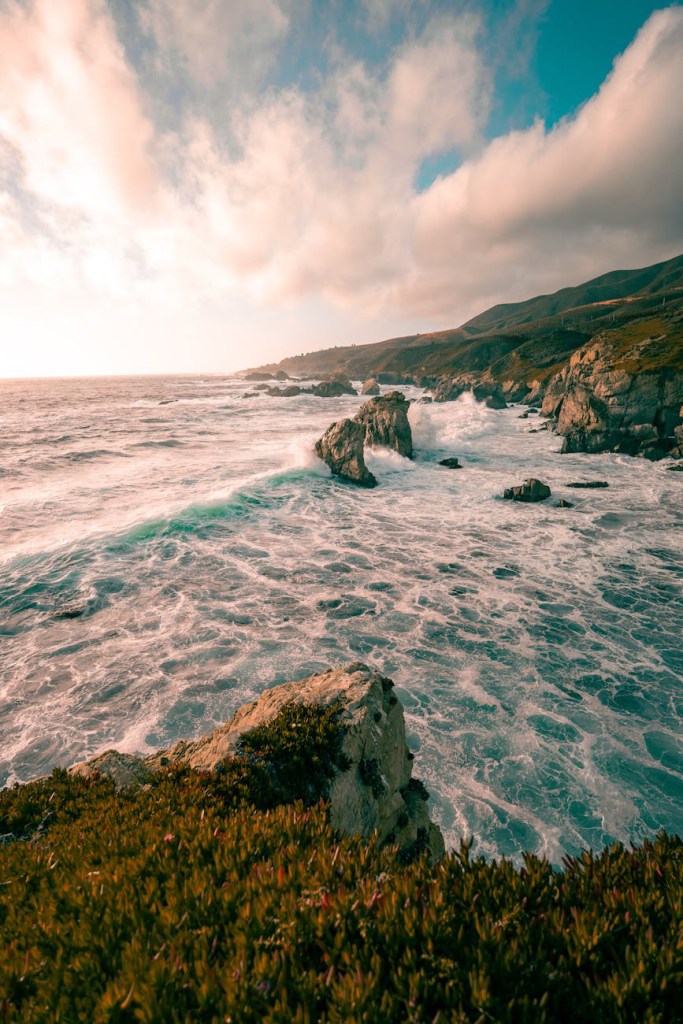
Here’s a local secret: the beaches south of Big Sur, particularly around Jade Cove, are one of the few places in the world where you can legally hunt for jade. After winter storms, chunks of this precious stone wash up on the shore. The best time to search is during low tide, and while finding a valuable piece requires luck and patience, the hunt itself is an adventure. The cove is accessible via a steep trail, and the beach is wild and pristine—exactly what Big Sur is all about.
The Natural Playground
Hiking Trails Through Diverse Ecosystems
One of Carmel’s most remarkable features is how quickly you can transition between ecosystems. Start your morning in the riparian forests of Garland Ranch Regional Park, where sycamores and cottonwoods shade the Carmel River, and Western Bluebirds flit between the branches. Within an hour, you can be hiking coastal trails at Point Lobos State Natural Reserve (often called “the crown jewel of the State Park system”), where wind-sculpted cypress trees frame views of spouting whales during migration season.
Point Lobos is small but spectacular. The Sea Lion Point Trail takes you to overlooks where you’ll hear California sea lions barking long before you see them hauled out on offshore rocks. The Cypress Grove Trail winds through one of only two naturally occurring Monterey cypress groves in the world. Bring binoculars—this is some of the best whale watching on the coast from December through May.
For more ambitious hikers, the trails in Garland Ranch climb from the valley floor to ridge-top vistas where on clear days you can see both the Pacific Ocean and the Salinas Valley. The Snivleys Ridge Trail rewards the steep climb with 360-degree views and fields of wildflowers in spring.
Kayaking at Elkhorn Slough
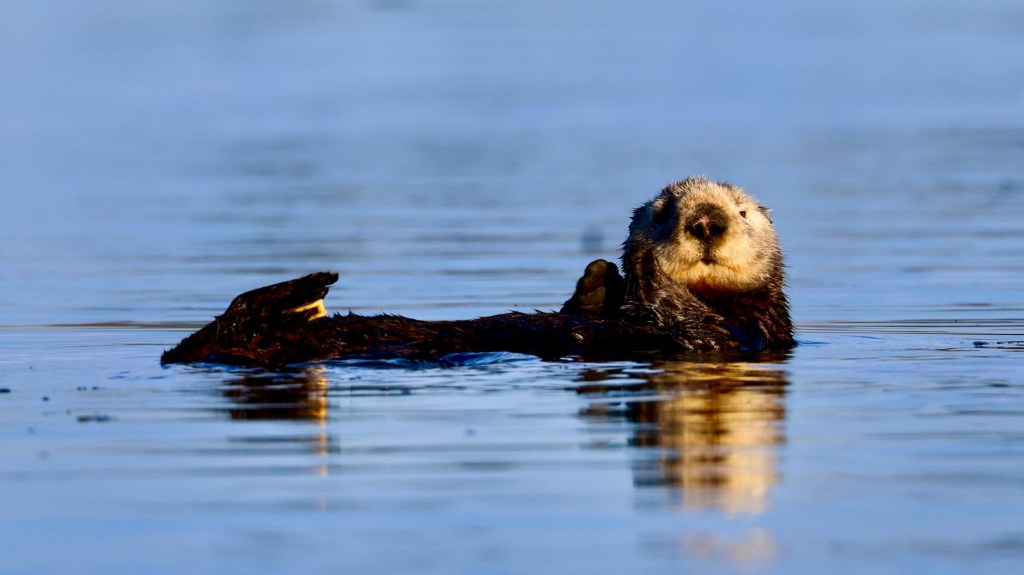
Twenty minutes north, Elkhorn Slough offers a completely different water experience. This tidal estuary is one of California’s most important wetlands, home to sea otters, harbor seals, leopard sharks, and over 340 species of birds. Kayaking here on a calm morning is transcendental—you’ll paddle through narrow channels where herons stand motionless in the shallows, otters dive for crabs, and if you’re quiet enough, seals will pop their heads up to investigate you.
The slough is perfect for beginners, with calm waters and several kayak rental outfitters offering guided tours. Go at high tide for the easiest paddling, and bring layers—it can be foggy and cool even when it’s warm inland.
Wine Country Meets Coastal Cool
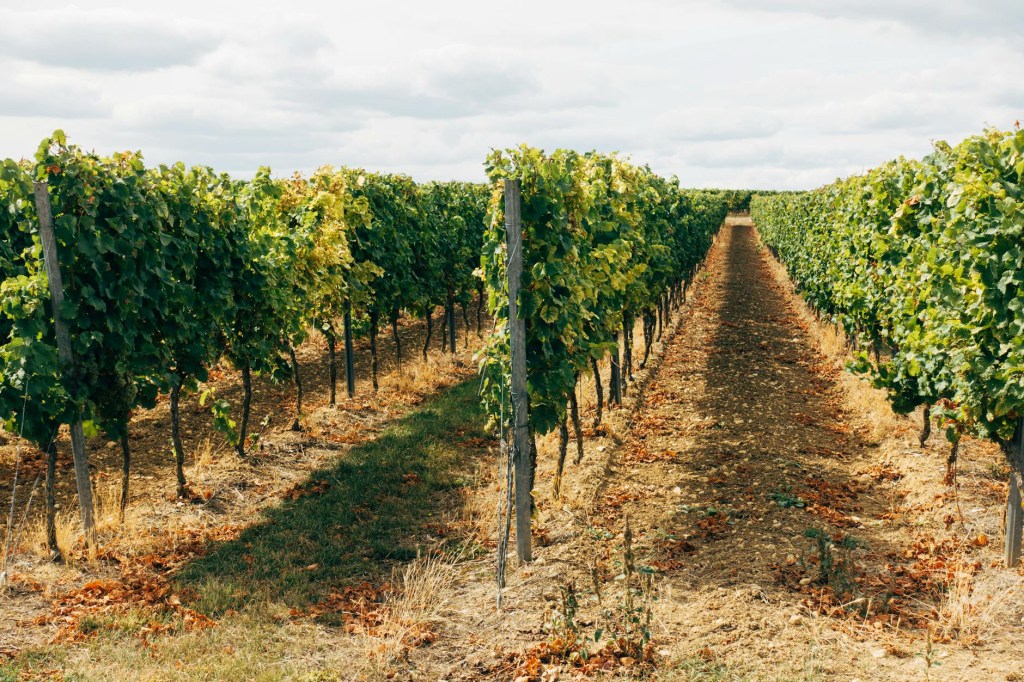
The Carmel Valley, just inland from the coast, is home to some of California’s most underrated wineries. While Napa gets the headlines, Carmel Valley produces exceptional Chardonnays, Pinot Noirs, and Cabernets without the crowds or pretension.
The valley microclimate is distinct—warm days, cool nights, and that marine layer that burns off by afternoon create ideal growing conditions. Visit family-owned spots like Bernardus Winery, where you can taste in a setting that feels more like visiting a friend’s estate than hitting a commercial tasting room. Folktale Winery combines excellent wines with live music, bocce ball courts, and a farm-to-table restaurant.
The best part? You can taste world-class wines in the afternoon and be back at the beach for sunset in fifteen minutes. This combination of wine country and coastline is rare, and locals take full advantage of it.
The Monterey Bay Aquarium Connection
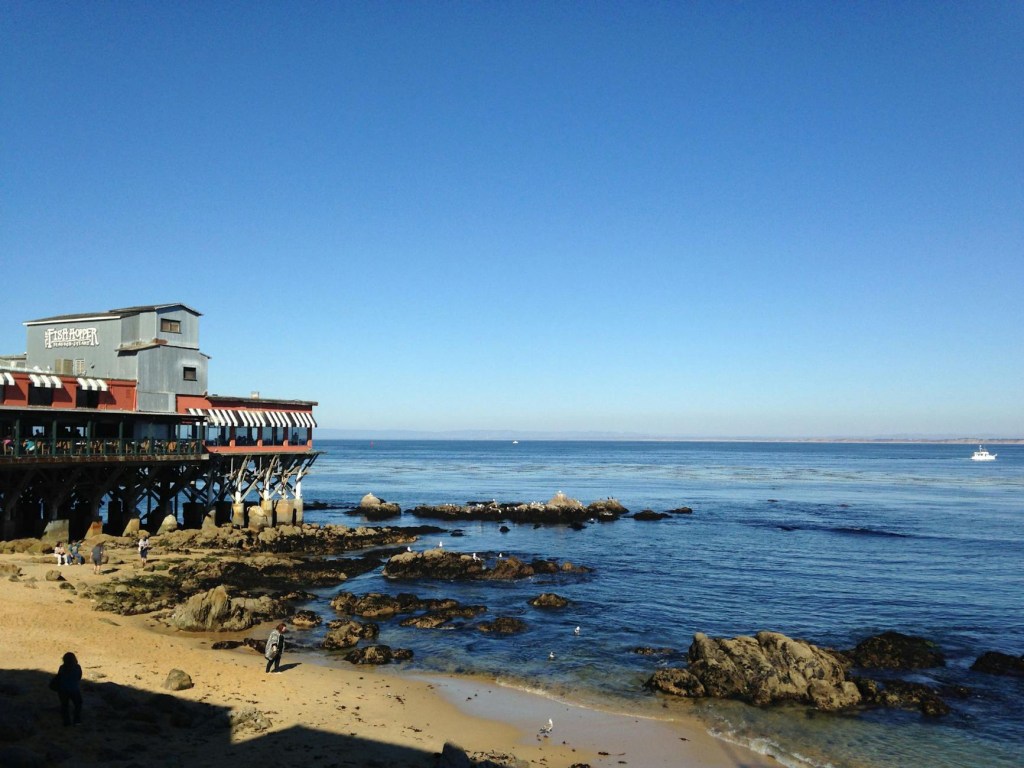
While technically in Monterey (just five miles north), the Monterey Bay Aquarium is so integral to life here that it deserves mention. This isn’t just one of the world’s best aquariums—it’s a research institution that has fundamentally changed ocean conservation. The jellyfish exhibit alone is worth the trip, and the Open Sea wing, with its massive kelp forest tank and schools of tuna, will make you feel like you’re diving in Monterey Bay itself.
Living this close means you can visit whenever you want, catching special exhibits, evening events, or simply spending an hour with the sea otters (different from their wild cousins at the beach, but equally charming). The aquarium’s location on Cannery Row, once made famous by Steinbeck, adds historical context to your visit.
The Golf Mecca
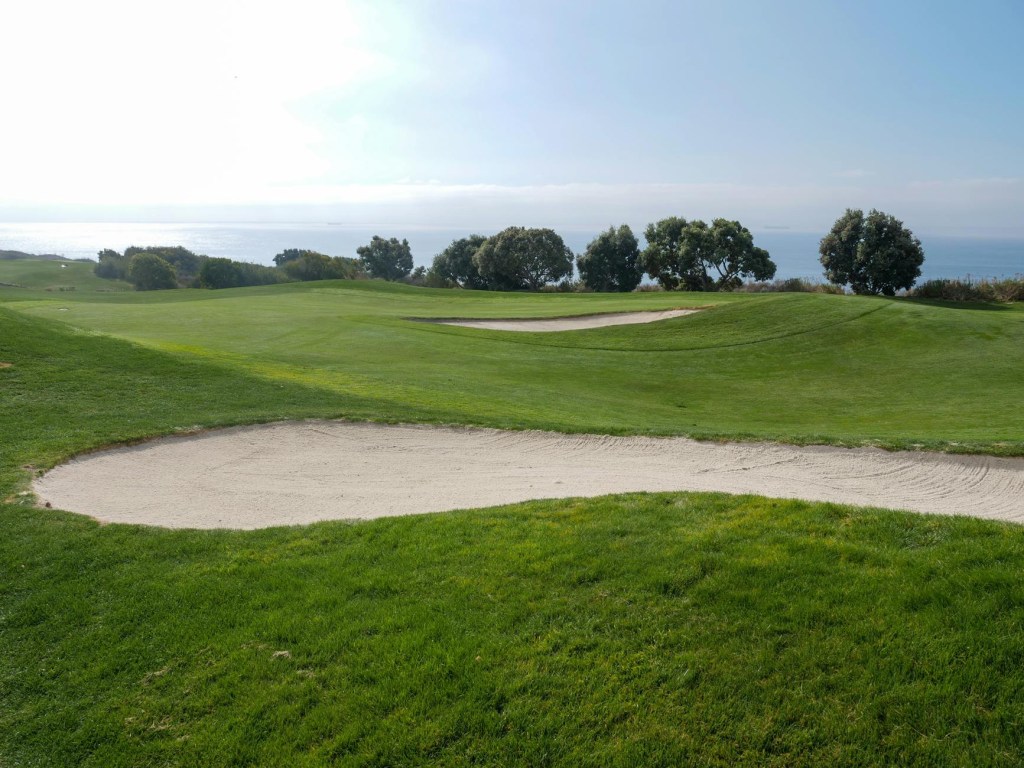
Even if you’re not a golfer, you can’t ignore the sport’s influence here. Pebble Beach Golf Links regularly ranks as the best public course in America, and watching waves crash against the cliffs while players line up their shots on the iconic 7th hole is mesmerizing. Spyglass Hill and Spanish Bay complete the holy trinity of Pebble Beach courses, each offering distinct challenges and stunning views.
Carmel Valley has more golf courses, and the weather is often sunnier inland. Quail Lodge and Rancho Cañada offer excellent golf without the Pebble Beach price tag, and the scenery—surrounded by oak-covered hills—is equally beautiful in a quieter way.
Living the Central Coast Life
What does daily life actually look like in Carmel? It’s farmers markets where you chat with the person who grew your strawberries. It’s evening walks on the beach where you recognize half the dogs but don’t know their owners’ names. It’s brunching at a café where the server knows you drink your cappuccino dry, and the couple at the next table just hiked to Ewoldsen Trail in Big Sur and can’t stop talking about it.
The weather is consistently mild—60s and 70s year-round, with that famous fog keeping things cool even in summer. You’ll wear layers and keep a sweater in your car. Locals call the fog “nature’s air conditioning” and genuinely miss it when they travel to hotter climates.
The riparian forests that buffer the town from the inland hills create a unique sense of being cocooned by nature. You’re never more than a five-minute drive from either forest or ocean, often both at once as Highway 1 winds between pine-covered hillsides and wave-swept beaches.
The backdrop of Carmel Beach—that perfect crescent of white sand with cypress trees silhouetted against the sunset—becomes your regular evening view. You’ll find yourself planning your day around low tide for better beach walks or checking swell reports to watch storm waves crash against the rocks at Point Lobos.
Why Carmel Is California’s Coastal Jewel
There are more affordable beach towns in California. There are bigger cities with more amenities. But there’s nowhere quite like Carmel-by-the-Sea, where you can start your day foraging for jade on a wild Big Sur beach, spend your afternoon tasting Pinot Noir in a sun-drenched valley, and end your evening watching otters catch the last waves before sunset.
It’s the combination that makes this place special—world-class golf and humble hiking trails, Michelin-starred restaurants and casual fish shacks, glamping luxury at Ventana and primitive camping in Los Padres National Forest. The iconic landmarks like Bixby Bridge coexist with secret coves that locals visit for decades without sharing their locations.
Most of all, it’s a place where people came to visit and never left, where the quality of light and life convinced them that nowhere else would quite measure up. The fog will get in your bones, the sound of sea lions will become your alarm clock, and the sight of an otter munching an abalone will never stop making you smile.
Carmel isn’t perfect—it’s expensive, parking can be challenging, and the fog sometimes doesn’t burn off for days. But ask anyone who lives here if they’d trade it for anywhere else, and you’ll get your answer in the half-second pause before they laugh and say, “Not a chance.”
Come visit. Stay at a cottage where deer wander through the garden. Hike at Point Lobos. Kayak with the otters at Elkhorn Slough. Drive the 17-Mile Drive at golden hour. Taste wine in Carmel Valley. Watch the sunset from Carmel Beach.
Then try to leave without already planning your return.
Because once Carmel gets in your soul, it stays there. And honestly, that’s exactly how it should be.

 Platnumkitty
Leave a comment