Part 14 of our Blue Zones Series
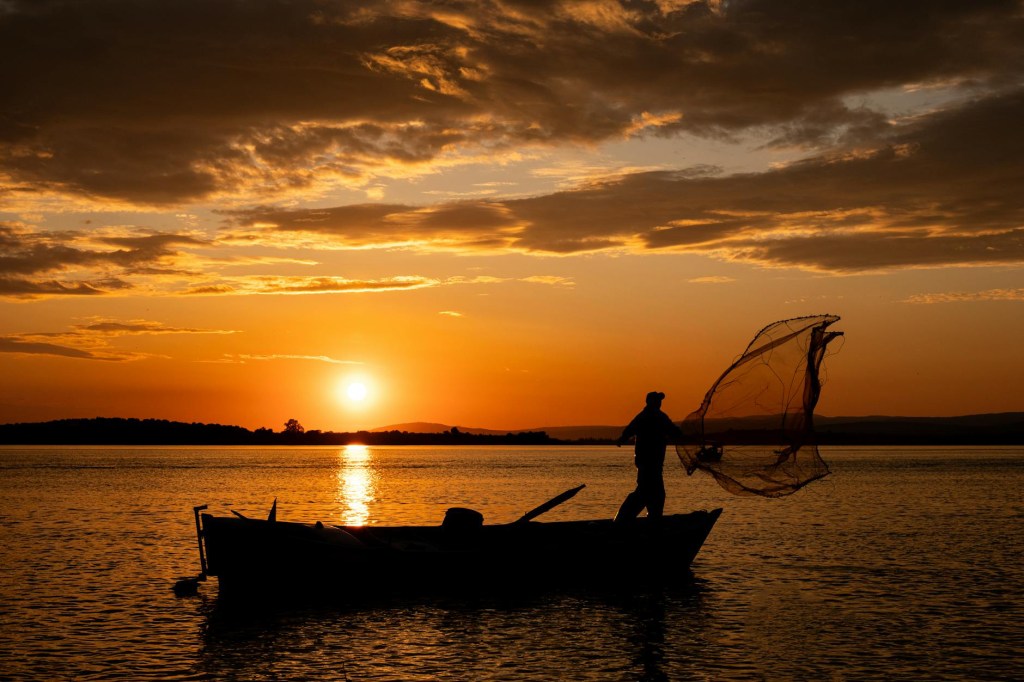
There’s a 94-year-old fisherman in Okinawa who still takes his boat out most mornings. When researchers ask him about retirement, he looks genuinely confused. “Retire from what?” he asks, mending his nets with practiced hands. “This is my life.”
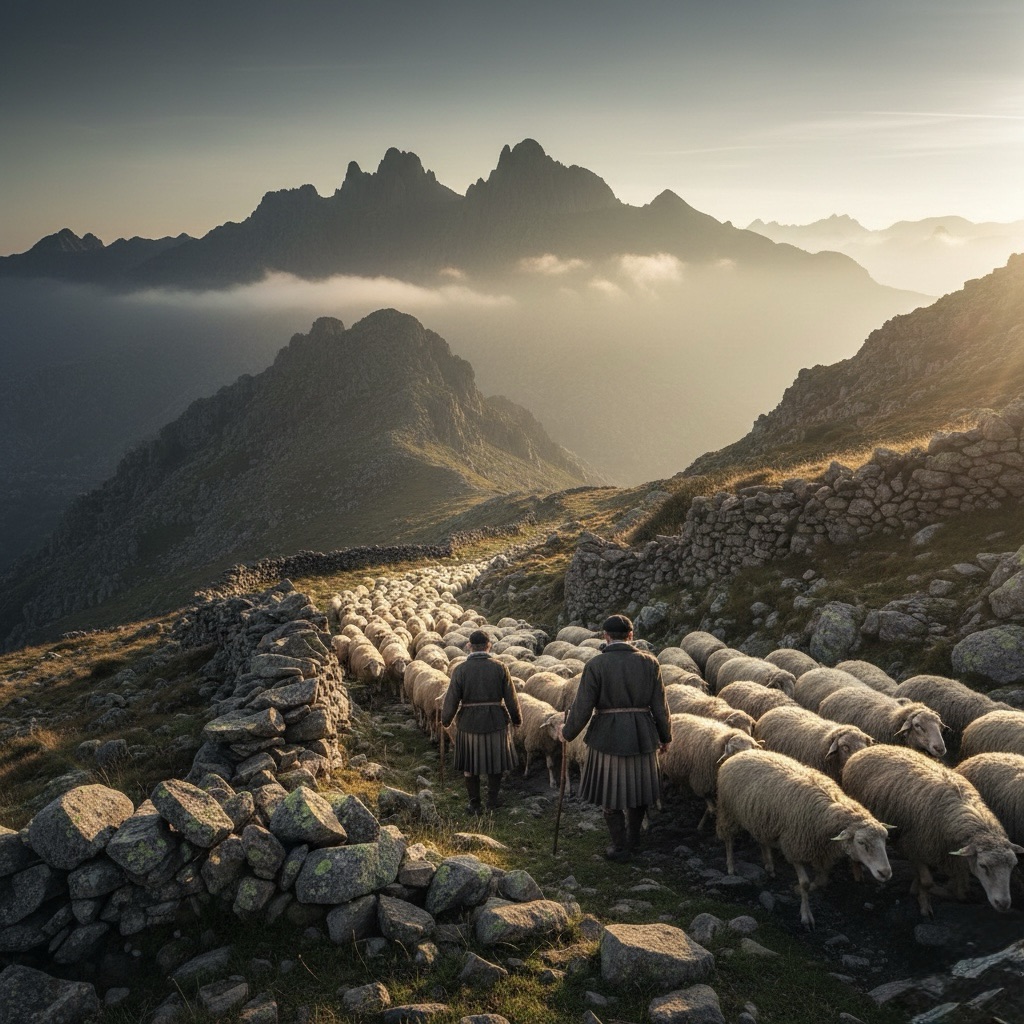
Halfway around the world in Sardinia, an 89-year-old shepherd walks five miles a day with his flock, just as his father did, and his grandfather before him. In Costa Rica’s Nicoya Peninsula, a farmer in his late eighties tends his bean plants at dawn, joking that the earth keeps him young.
These aren’t outliers pushing through pain or clinging to work out of financial necessity. They’re people who’ve stumbled onto something the rest of us are desperately seeking: work that doesn’t deplete them. Work that fills them up.
The Fisherman’s Secret
In Okinawa, Japan—where people live longer than almost anywhere on Earth—I learned about a concept called ikigai. Roughly translated, it means “reason for being.” But watching the fisherman, I realized it’s more than philosophical. It’s physical, tangible, woven into the day’s rhythm.
He doesn’t fish because he needs the money (though he sells his catch at the market). He fishes because the ocean calls to him. Because his hands know the weight of the nets. Because the other fishermen expect him at the dock, and they’ll share tea and stories while their lines drift in the current.
His work contains everything that matters: movement that keeps his body strong, a skill refined over decades, friends who need him, and a purpose that pulls him out of bed before sunrise.
There’s no separation between “work” and “life.” It’s all one thing.
What the Shepherd Knows
The Sardinian highlands are steep and unforgiving. The shepherd I met there—let’s call him Antonio—walks miles each day, following his sheep across rocky terrain that would humble a marathoner half his age.
But Antonio doesn’t call it exercise. He’d laugh at the idea of a gym membership. The walking is just part of watching the sheep, which is part of making the cheese, which is part of feeding his family and the families who buy from him at the weekly market.
His work is seasonal, cyclical, connected to something larger than himself. In spring, there are lambs. In summer, the high pastures. In fall, preparation for winter. He knows every plant his sheep prefer, every rock formation that signals shelter, every shepherd’s path carved by generations before him.
This is mastery—not the kind that comes from a weekend certification, but the deep knowledge that accumulates when you pay attention to the same thing for fifty years.
The Farmer’s Rhythm
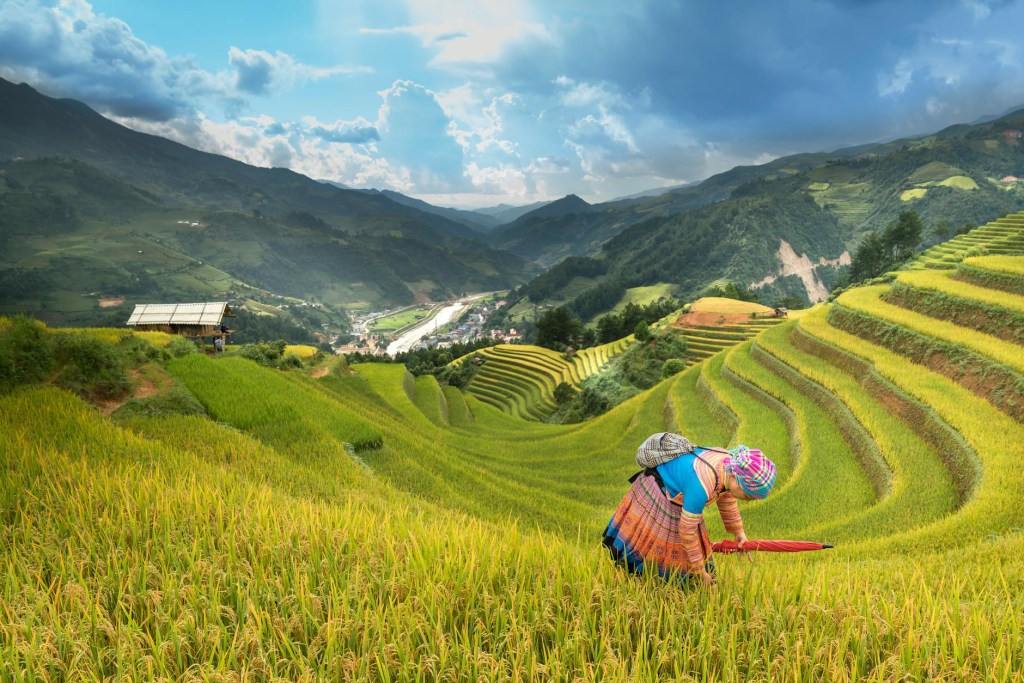
In Nicoya, Costa Rica, the farmer moves differently than people I know in cities. There’s no rushing, but there’s no laziness either. Just a steady rhythm: plant, tend, harvest, rest. Repeat.
He grows beans, corn, squash—the same crops his ancestors grew. But he’s not stuck in the past. He experiments, observes, adjusts. Which varieties do better in dry years? How can he enrich the soil naturally? His learning never stops.
What strikes me most is his relationship with time. He doesn’t fight the seasons or try to force faster growth. He works with natural rhythms, not against them. His stress comes from weather and pests—real, tangible challenges—not from arbitrary quarterly targets or inbox counts.
And at the end of each day, there’s visible progress. Seeds in the ground. Weeds pulled. Food harvested. The satisfaction is immediate and real.
The Four Elements We’ve Lost
Watching these Blue Zone workers, I see four elements that modern work has largely stripped away:
Movement as necessity, not punishment. The fisherman doesn’t “exercise”—he hauls nets. The shepherd doesn’t “do cardio”—he walks with his flock. Their bodies move because the work requires it, not because they’ve guilted themselves into a 6 AM class.
Mastery that deepens over decades. In a world that prizes disruption and rapid career changes, they’ve refined the same craft for half a century. Their expertise is quiet, assumed, bone-deep. They’re not trying to “level up” or “pivot”—they’re already exactly where they want to be.
Purpose embedded in community. They’re not working for shareholders or metrics. The fisherman feeds his neighbors. The shepherd supplies the village with cheese. The farmer grows food his family will eat. The connection between effort and meaning is direct, unbroken.
Natural integration of life and work. There’s no “work-life balance” to achieve because there’s no harsh division to balance. Work flows naturally from who they are and where they live. It’s as integral as breathing.
What This Means for the Rest of Us
I know what you’re thinking. “That’s lovely, but I can’t become a fisherman. I have a mortgage and student loans and a career in marketing.”
Fair. We can’t all move to Sardinia and herd sheep (though wouldn’t that be something).
But we can ask ourselves better questions:
Where could movement become part of my work, not separate from it? Could you walk to meetings? Pace while thinking? Choose the physical option when one exists?
What skill am I willing to cultivate for the next thirty years? Not for promotions or recognition, but because the craft itself calls to you? Writing, teaching, building, healing—what could become your life’s work instead of just a job?
Who directly benefits from what I do? Can you shorten the chain between your effort and its impact? Tutor a student. Help a neighbor. Create something someone will actually use. Find ways to see the faces of the people your work serves.
How can I reduce the friction between who I am and what I do? This is the hardest one. It might mean changing jobs, changing industries, or changing how you approach the job you have. But it starts with noticing the gap—where does your current work feel like you’re swimming against the current?
The Uncomfortable Truth
Here’s what makes the Blue Zone workers different: they never saw work as something to escape from.
We’ve been sold a story that work is the price we pay for real life, which happens on weekends and vacations. We dream of retirement—that magical moment when we finally get to stop.
But the 94-year-old fisherman isn’t waiting for life to start. It’s already happening, in the salt spray and the morning light and the weight of the catch.
The shepherd doesn’t live for his days off. Every day is his day.
The farmer doesn’t count down to retirement. Why would he stop tending the earth that tends him back?
They’ve found something we’re all looking for: work that doesn’t feel like work because it’s indistinguishable from living.
Starting Small
You don’t have to quit your job tomorrow. But you could:
Start a garden, even if it’s just herbs on a windowsill. Feel your hands in the soil.
Learn something difficult that has no monetary value. Woodworking. Bread-baking. Stone stacking. Something that will take years to master.
Find the people who need what you can offer and offer it directly. Not through platforms or intermediaries, but human to human.
Move your body in ways that serve a purpose. Walk to get groceries. Bike to a friend’s house. Clean your space with attention and care.
Notice which parts of your work feel alive and which feel dead. Can you do more of the first and less of the second?
The Long View
The Blue Zone workers share one more thing: they’re not in a hurry.
The fisherman has been fishing for seventy years. He’ll fish tomorrow if his body allows it. The shepherd has walked these hills for six decades. The farmer has planted beans every spring since he was a boy.
They’ve made peace with the pace of real things—the ocean’s moods, the sheep’s seasons, the patient emergence of shoots from soil.
Meanwhile, we’re obsessed with hacks and shortcuts, trying to compress decades of mastery into weekend workshops, hoping to “optimize” our way to meaning.
But meaning, it turns out, doesn’t compress well.
The work that doesn’t feel like work is the work you’d do for fifty years. Not because you have to. Because you get to.
The question isn’t “What do I want to do with my life?”
The question is “What do I want to still be doing when I’m 89?”
The ocean will be there tomorrow. The sheep need tending. The beans are waiting to be planted.
What’s waiting for you?
I only recommend books and resources I genuinely love and believe will add value to your life. This is one of them.
I’m a participant in the Amazon Services LLC Associates Program, an affiliate advertising program designed to provide a means for us to earn fees by linking to Amazon.com and affiliated sites. Any proceeds I earn help keep this website running and allow me to continue sharing these stories with you.
If the fisherman’s ikigai, the shepherd’s mastery, and the farmer’s rhythm resonated with you, I can’t recommend Dan Buettner’s The Blue Zones highly enough. This is the book that first introduced me to these remarkable communities and changed how I think about work, purpose, and what it means to live well.
Buettner spent years visiting Okinawa, Sardinia, Nicoya, and other longevity hotspots, documenting not just what these people eat, but how they move, connect, and find meaning in their days. It’s part travel memoir, part anthropological study, and entirely inspiring.

 Platnumkitty
Leave a comment